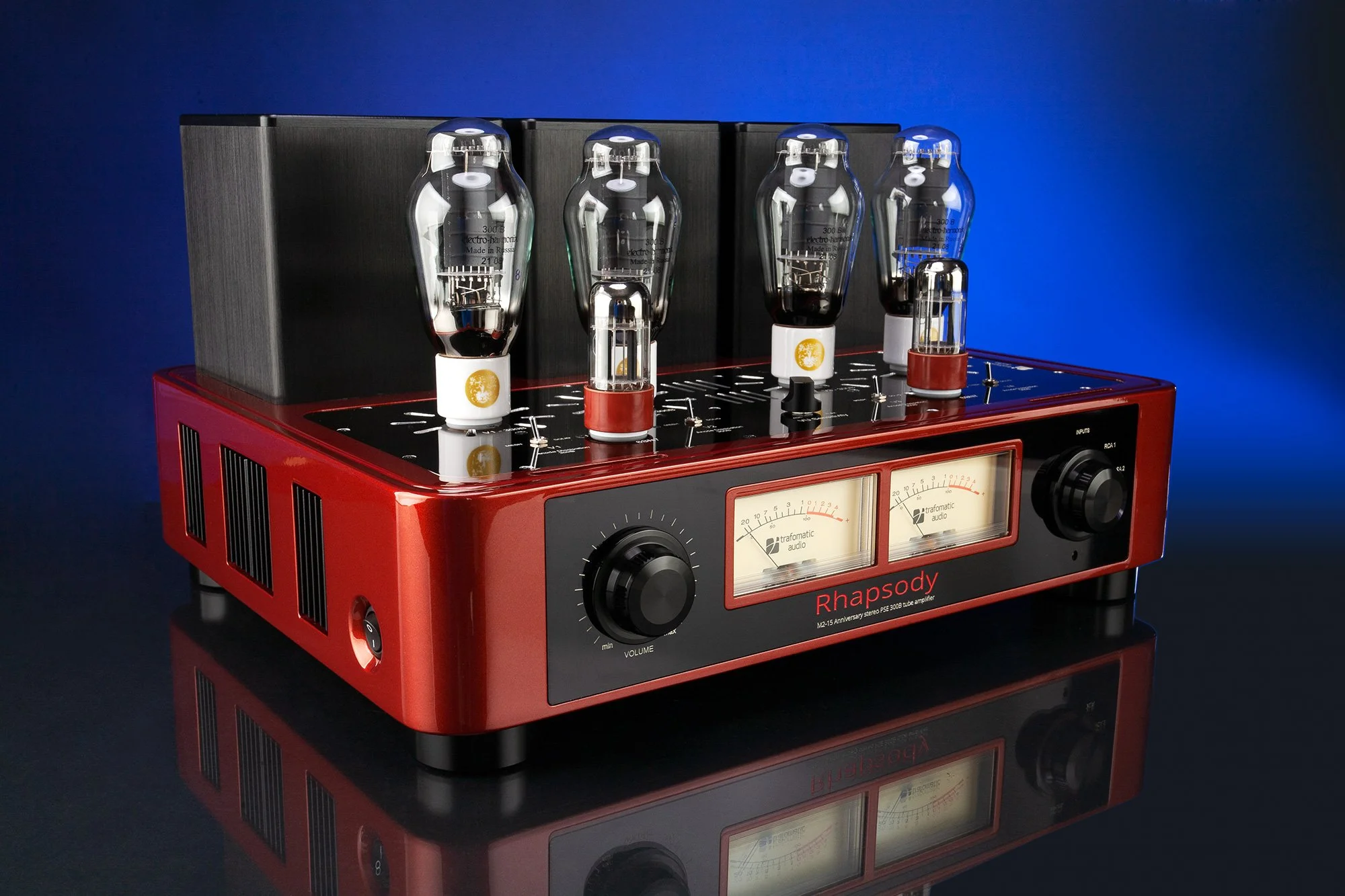
Traformatic Rhapsody 300B
As I had mentioned in the preview of the Traformatic Rhapsody 300B, I had just had a very bad experience with another 300B amplifier, that shall go unnamed, as per policy. I used the term ‘turgid’ to give a sense of its, well, inabilities—though grossly incompetent would be appropriate. So, when the Traformatic Rhapsody 300B rolled in, my sighs could be heard upon its receipt, whilst unpacking it, and, finally, while setting it up. I gave it some ‘quiet time’ with a playlist on repeat and at diminishingly low volume. I was simply not ready to hear it. Would you be after a really bad prior experience?
When I finally set down for a listen days later, in truth, I prepared to be disappointed, very disappointed. I imagine this was the very best way to proceed, set very low expectations. In this case, if it even sounded reasonably good, then it would not be a total disaster. And further, I wouldn’t have to repack it and send it back to its manufacturer unreviewed. Reviewing really bad gear does have a way of taking the wind out of you. Fortunately, their numbers are diminishing as I do a good bit of research before selecting my next product for review.
However, when the needle dropped, figuratively, I wasn’t in Kansas or really bad 300B territory anymore. I was in…
REFRAIN: Unlike most reviews, this review will be non-sequential, as it will start with how the component actually sounds and not the process of physically “undressing” it and/or laying out its various parts, specifications, etc. Think of this review, then, as a non-linear movie—Memento, Kill Bill, Arrival, Eternal Sunshine of the Spotless Mind, etc.—that likewise starts at the end and winds its way to the beginning.
The System - Reference Two Channel
Grimm Audio MU2 Streamer/DAC/Preamplifier
Silent Angel Bonn Pro8 Network Switch
Atma-Sphere MP-3 Preamplifier
Atma-Sphere S-30 Stereo Amplifier
Atma-Sphere CLASS D Monoblock Amplifiers
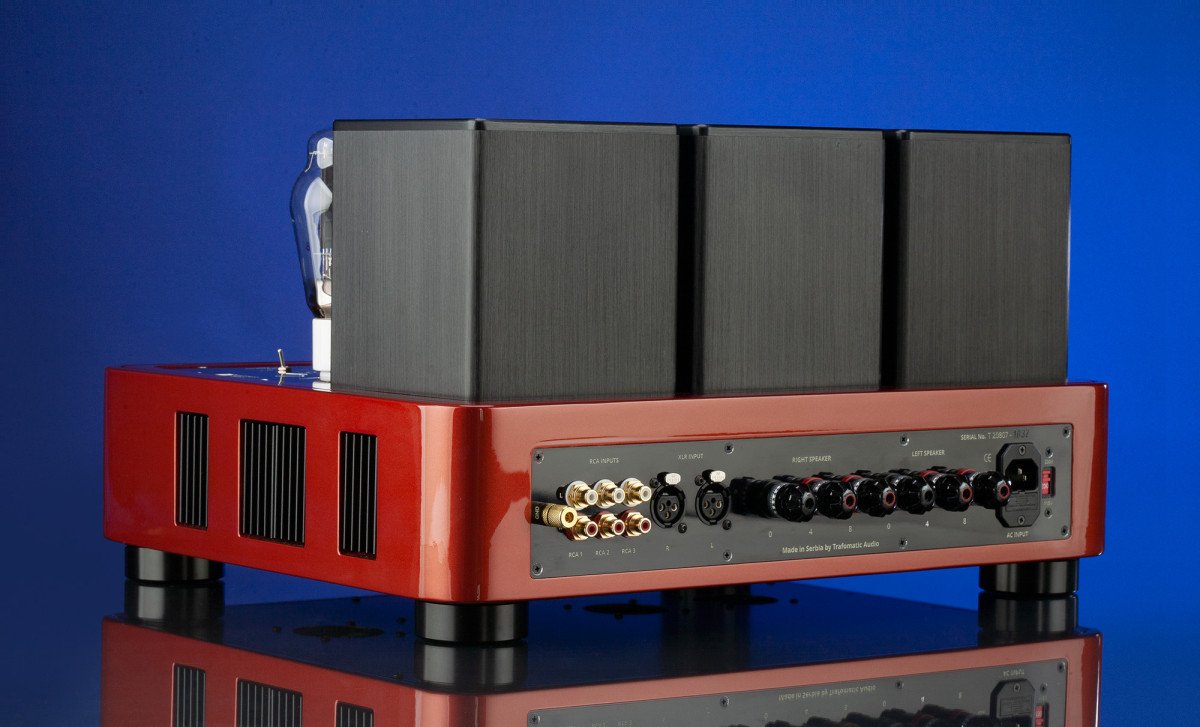
TRAFORMATIC RHAPSODY 300B Single-Ended Integrated
LYRIC Ti 100 Single-Ended Integrated
Devore Audio Orangutan 0/96
Fern & Roby Raven III Speakers
Kubala-Sosna Realization Interconnects, Speaker Cables, Power cords
Grimm Audio SQM Interconnects (XLR, RCA)
RSX BEYOND, MAX Power Cords
SEISMION Amplifier Stand (powered)
TORUS AUDIO Power Conditioner
The Sound
I was in a place where 300B amps or, at least this 300B amp, was different, very different than its Modus Operandi (M.O.) dictated that it should be. And I cut to the chase to determine how much time I’d spend with the Traformatic Rhapsody 300B.
I hit it with Eiji Oue’s Stravinsky, which does not tolerate the bass adverse with its seven firing tympani. “Wow”, I thought to myself as the tympani resounded in my listening room with weight, presence, and gravitas. I believe this is the point where I sat up, got out my book and pen, and began taking notes.
Over the course of the Rhapsody 300B’s stay with me it proved itself time and again through all manner of musical faire. Upright bass was no problem and it followed the lightning-quick, upright bass plucks of Dave Holland, Paul Chambers, Christian McBride, Gene Taylor, et al. as if it were “no thang”. I do believe at some point I actually knelt down to see if these were really 300B tubes. Yes, there were/are 300B tubes.
The empirical proof of this came via a phalanx of beautifully rendered vocal recordings. Sarah Vaughn sat in along with Sophie Hunger, Patricia Barber, Shirley Horn, Andy Bey, Boz Scaggs, Elina Duni, etc. Their presence, their in-room humanity was exceptional. It had been a while since I had listened for days on end to vocals. My normal mix is classical, then jazz, pop/rock/soul, then a bit of folk and repeat. It was a beautiful reconnection and the Traformatic Rhapsody 300B had made it so. Bravo!
The Rhapsody’s volumetric cube was quite deep, given its match to the Orangutan O/96, fairly wide, just inside of the speakers, and relatively high. Soundstaging—width, depth, layering, spacing, and volume—overall was very good, though not as pristinely layered as the very best, but it was, nonetheless, believable.
Bass
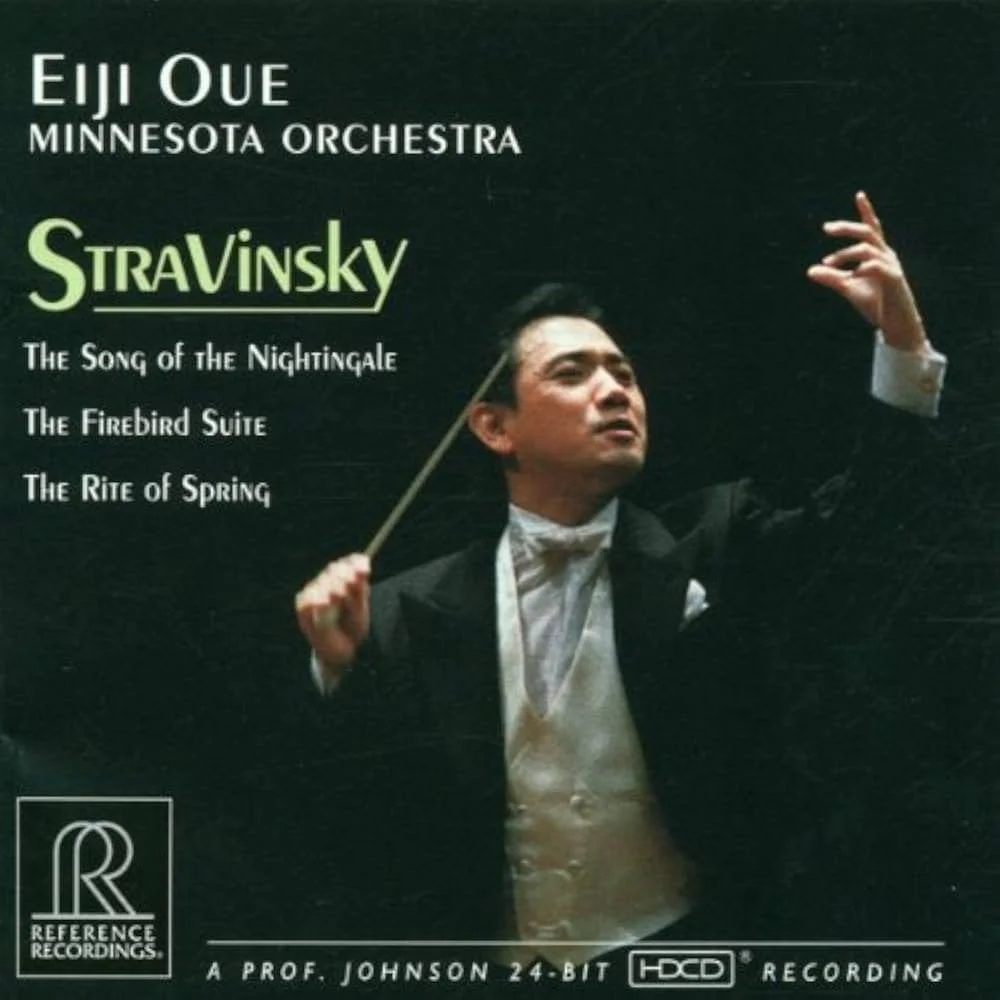
Eiji Oue’s Stravinsky (Reference Recordings) serves as my reference for determining the bass response of the Rhapsody 300B. It is a very dynamic piece and for the track in question— V. Infernal Dance of King Kashchey—I was told by representatives of the Minnesota Orchestra that seven tympani had been assembled by Eiji Oue for this movement.
The Traformatic Rhapsody 300B had handled the various movements of the Stravinsky recording beautifully. Its true test, V. Infernal Dance of King Kashchey, demonstrated the low rumble that one associates with amplifiers able to probe the depths of mid-bass and sub-bass as well. And when the seven assembled tympani sounded the Rhapsody 300B delivered what no prior 300B amplifier/integrated had before—sub-bass depth that was both ponderous and tactile. I not only heard it, I felt it. This isn’t your pop’s or your grand pop’s 300B, it is a great deal more in its ability to reach sub-bass depths.
Midrange
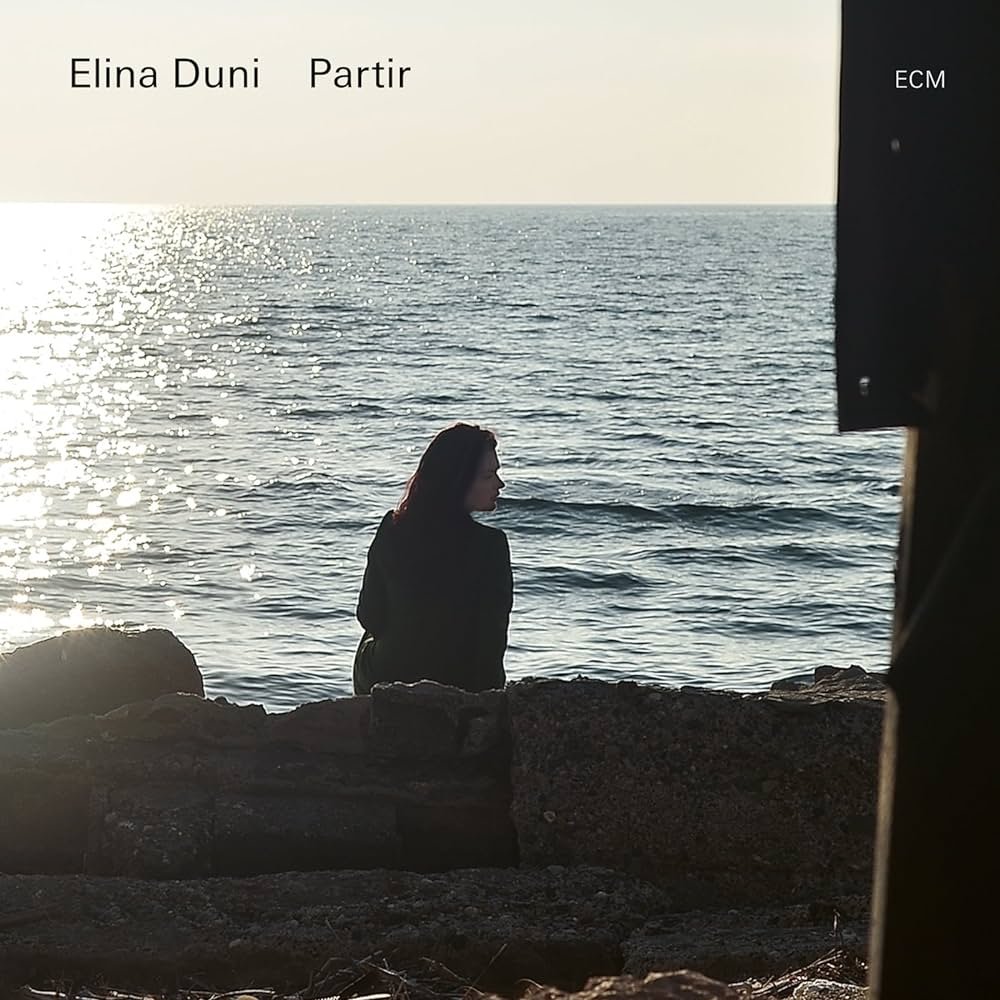
Sublime! Well, the midrange is well known as 300B territory and the Traformatic Rhapsody did not disappoint! On the contrary, I can scarcely remember another 300B with the ‘humanity’, the naturalness, the corporeal presence that the Rhapsody 300B demonstrated in song after song. Elina Duni’s “Je Ne Sais Pa” (Partir, ECM), Olafur Arnalds’s “Árbakkinn” (Island Songs, Mercury), Andy Bey’s “Angel Eyes” (American Songs, Savoy), Boz Scaggs’ “You Don’t Know What Love Is” (But Beautiful, Concorde Records) were all beautifully served and on another level than my reference integrated, Lyric Audio Ti 100 MkII or a number of amplifiers could match.
The Rhapsody had plumbed the deaths to the sub-bass, a true anomaly for 300B amplifiers, and had lost not a wit of the midrange prowess for which 300Bs are well known. In fact, it even pushed the midrange envelope for natural musicality and engagement. There is not another integrated amp that I have reviewed or owned that is its like.
TREBLE+
The treble has traditionally been an Achilles Heel of 300B amplifiers, as has sub-bass response, for that matter. And who wants an amp with two Achilles Heels? Well, the answer to that would be those who are monumentally in love with the human voice, with small, intimate ensembles (jazz, classical), or folk music.
To this point the Traformatic Rhapsody 300B had proven itself to surpass all previous limitations of the traditional 300B amplifier’s bass response. Though, I should also say, that with the DeVore Fidelity Orangutan O/96 in-house, Rhapsody 300B ’s performance here was incredibly synergistic.
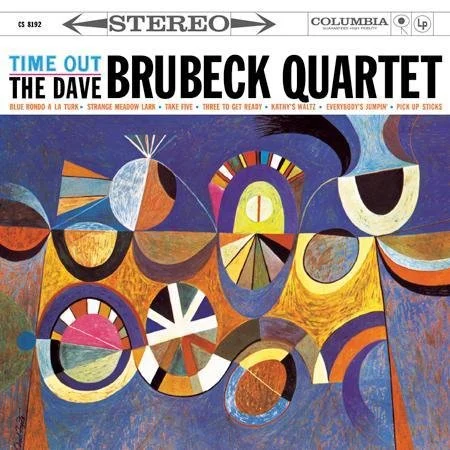
The Rhapsody 300B did have quite good treble extension on my go to for treble or the fine and precise resolution of drum cymbals—hi-hats, ride, etc.—Dave Brubeck Quartet’s “Take Five” (Time Out, Columbia). This is, however, where my reference Lyric Audio Ti 100 MkII integrated edged it out. The Rhapsody 300B went nicely high and, indeed, higher than most 300Bs. But it could not go as high, nor resolve the cymbal energy/frequencies as well as the Ti 100 MkII. This is one reason the Ti 100 MkII has remained so long as a reference in Casa Heartsong’s two-channel system. The Rhapsody 300B was just a wee bit short of the topmost treble regions. But 300B aficionados will be well served as the Rhapsody 300B may easily trump their current 300B amplifier.
Conclusions
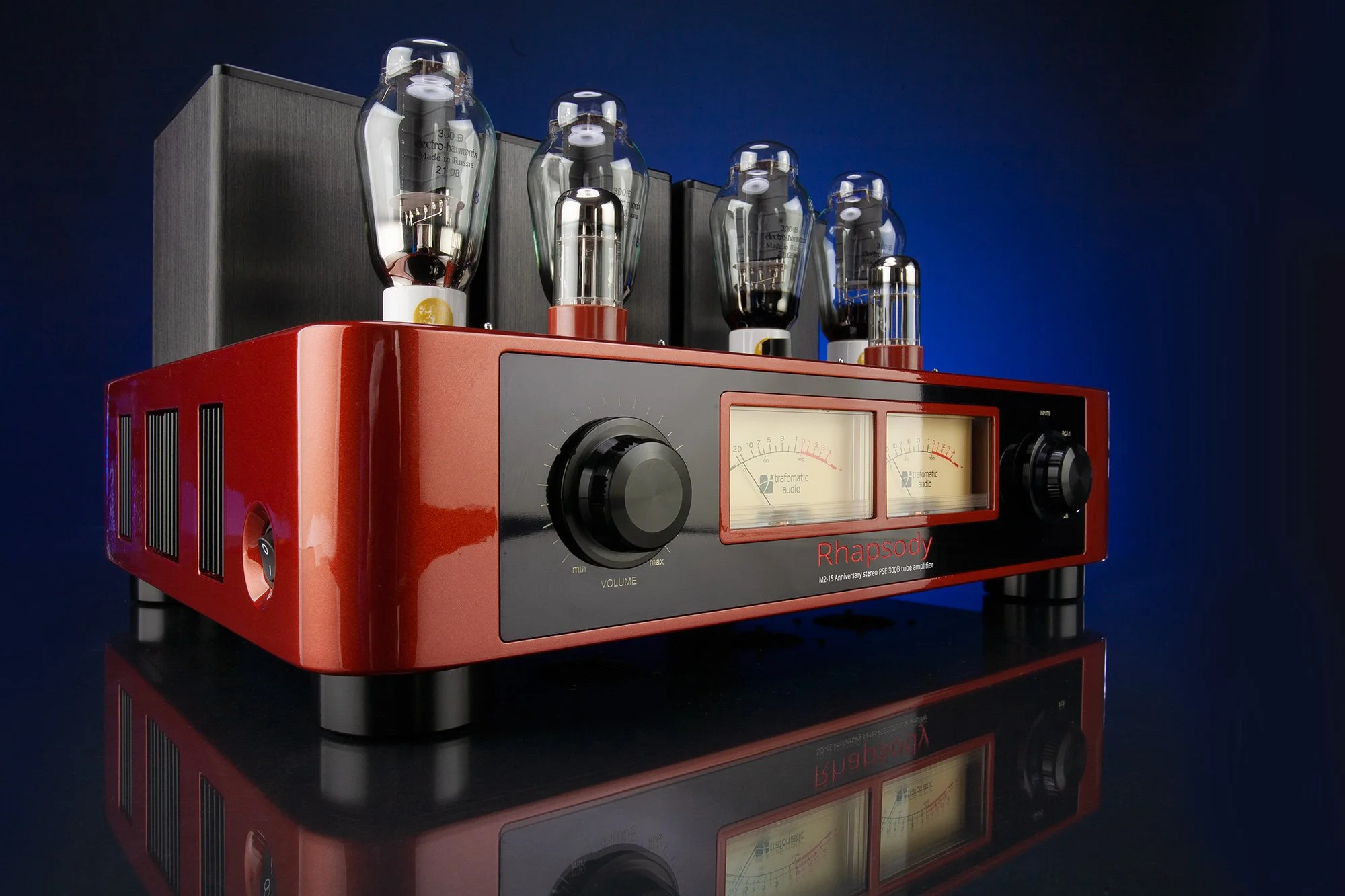
The Traformatic Rhapsody 300B is absolutely not your pop’s or your grand pop’s 300B amplifier. It is a very much new and improved version with reach—frequency response—that other 300B’s fantasize about or, at the very least, dream about. It’s got bass, the proverbial 300B midrange, though there is an argument for it being even better than most 300Bs here, and it’s got good treble extension.
The Rhapsody has quite good transparency and resolution and in the camp of 300B amplifiers it would be in the topmost ranks and well regarded. That said, we happily confer on the Traformatic Rhapsody 300B our Gold KeyNote award for superb rendering of music above what most have come to believe as the ‘typical’ 300B sound.
Pros: Unusually deep bass response for a 300B, outstanding midrange recreation with few peers, tremendously musical and engaging.
Cons: While it has very good frequency extension, it does not reach the uppermost portions or treble+ locales.
Note: My version had ‘soft pops’ whenever the Rhapsody was turned on. Nothing truly objectionable, they were just there.
The Specification
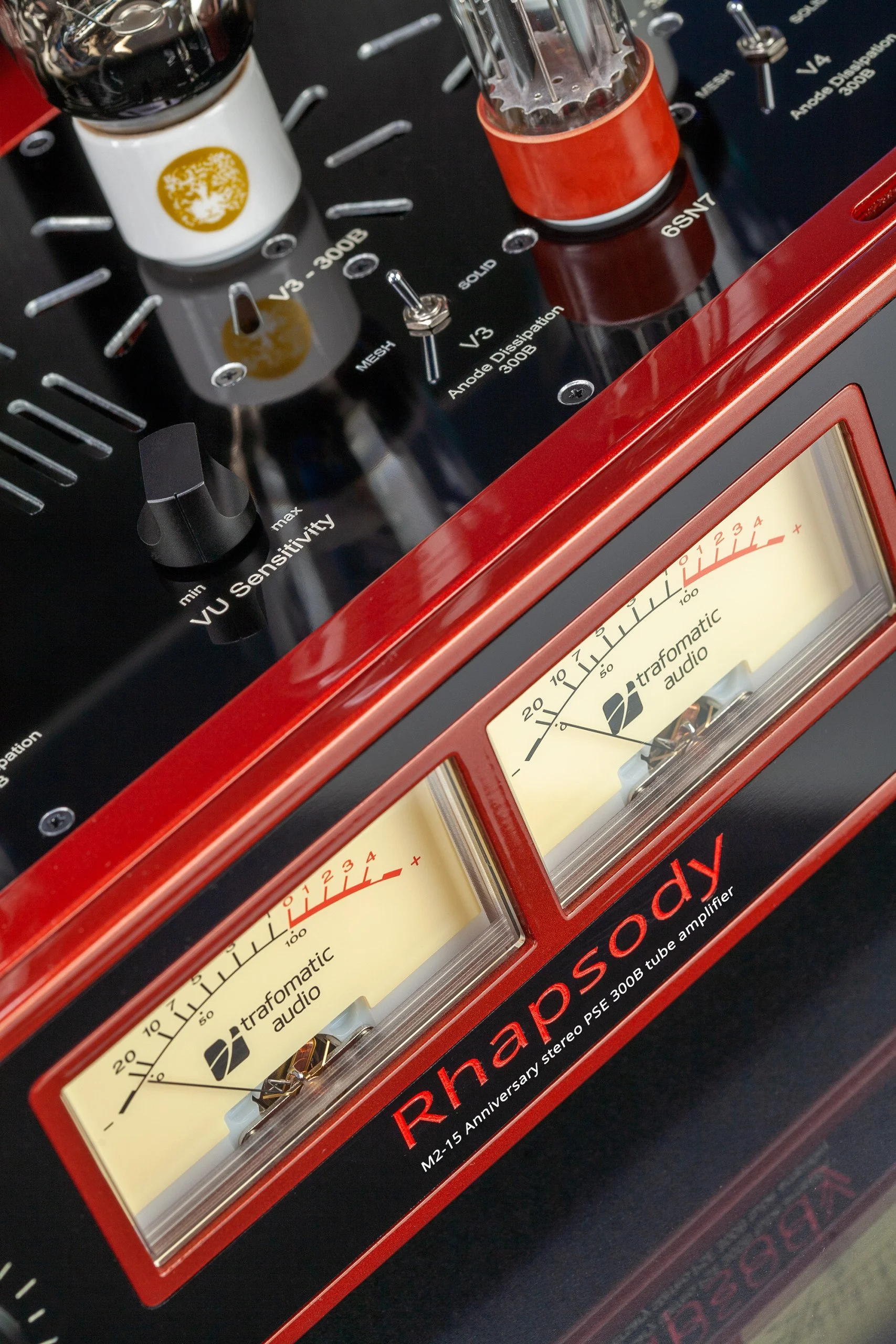
TRAFORMATIC RHAPSODY 300B
Power Output: 20 watts per channel
Class of operation: Parallel Single-Ended (class A)
Gain: 22dB (for 8 Ω)
Tubes complement: 4x 300b, 2x 6SN7
Inputs: 3xRCA + 1xXLR
S/N Ratio: 80dB
Speaker Outputs: 0, 4, 8 Ohms/per side
Frequency Bandwidth: 10Hz-75KHz (-3dB)
Dimension & Weight: 470 x 370 x 260 (mm), 32kg
The Company
TRAFORMATIC
Sasa Cokic
TRAFORMATIC RHAPSODY 300B: $20,000
Učiteljska 15
11400 Mladenovac
Serbia
www.trafomaticaudio.com/
Tel. : +381 (0)11/8236-258
The Distributor
Hear This
Gary Leeds
www.hearthis.us/
gary@HearThis.us
Tel. : +1 (949) 467-9808