GRACELINE WAGNER REFERENCE CABLE LOOM - REVIEW
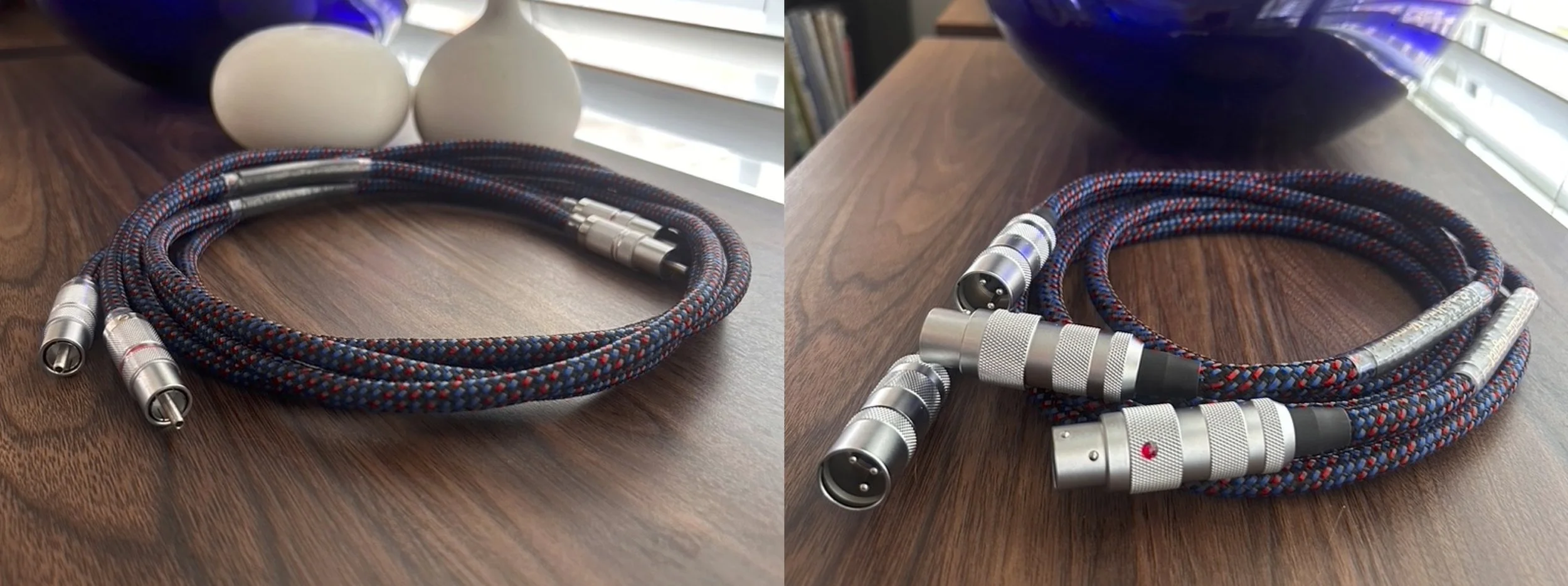
GRACELINE WAGNER REFERENCE CABLES
Cables and wires are not excavators or curators of detail. Nor do they provide additional transparency, resolution, air, ambiance, and/or other technical insights from the musical information—the ones and zeroes, the analog waveform—via CDs, streaming, albums, tapes, etc. which one eventually hears.
Cables and wires are, in fact, translators and interpreters of the musical information. In this respect, they communicate information between the various audio components from source to amplification to speakers to the listener. Their purview is simply to correctly, accurately translate what they are being ‘told’. Though unlike translators and interpreters of languages, cables and wires can convey spatial cues—air, ambiance and space in given venues or studios or, at least, some measure of their volume. Cables and wires also translate information with regard to the interplay, positioning of various performers, where they are and the distance between them—their relative spacing, ‘layering’. There are, of course, differing skill levels between cables and wires with regard to their ability to translate musical information. I have owned some of the worst and some of the best cables and wires with regard to their abilities as translators, interpreters of musical information.
The worst cables and wires have mistranslated, misinterpreted the musical information. This misinterpretation left out critical bits of information—technical, spatial, musical—from component to component, which resulted in a multitude of maladies—a lack of transparency, detail, resolution, ambiance, air, tonal/timbral accuracy, and frequency spectrum integrity.
The best cables and wires, on the other-hand, have translated/interpreted the musical information in a ‘whole-cloth’ approach, which effectively rendered CDs, streams, albums, tapes, etc. from component to component to one’s ears, as it was meant to be heard and experienced and naturally so.
What I relay via this review is my experience with a cable loom which is the best translator of musical information I have owned, reviewed, or heard. This is the BlackCat Graceline Wagner Reference cables.
REFRAIN: Unlike most reviews, this review will be non-sequential, as it will start with how the equipment actually sounds and not the process of physically “undressing” it and/or laying out its various accoutrement, specifications, etc. Think of this review then, as a non-linear movie—Memento, Kill Bill, Pulp Fiction, etc—that, likewise, starts at the end and winds its way to the beginning.
The Review System
Shanling ONIX XST20 SACD/CD Transport
Bricasti Design M1SE DAC w/ethernet
Rega P10 Turntable w/Apheta cartridge
Aurorasound Step-Up Transformer
Gold Note PH-10 Phono-Preamplifier
Gold Note PSU-10 Power Supply
Allnic ASRA 7500 Headphone Amplifier/Integrated
Allnic HPA-300B Headphone Amplifier/Integrated
Aurorasound HFSA-01 Integrated/Headphone Amplifier
Lyric Audio Ti 100 MkII Integrated
BlackCat Graceline TRON AES/EBU and SPDIF Digital Cables
BlackCat Graceline Wagner Reference RCA Interconnects
BlackCat Graceline Wagner Reference Speaker Cables
RSX Technology BEYOND and MAX Power Cords
Meze Audio Empyrean II Headphones
Meze Audio POET Headphones
Devore Fidelity Orangutan O/96 Speakers
TORUS RM20 Power Conditioner
SEISMION Amplifier Stand (powered)
The Sound
The Graceline Wagner Reference cables are on another level, entirely, in terms of their ability to translate aliveness, openness, transparency than all my other reference cables. This ability results in more detail, greater resolution, and a wealth of spatial cues across the various components than I am used to hearing. The air, the ambiance, the space translated by these cables is outstanding, as information I had only believed electrostatic headphones or speakers capable of now came forward via the Wagner Reference cables. This is information the other reference cables simply could not match.
The Wagner Reference cables immediately create a chasm in the level of performance between my reference cables and even Graceline’s own Level-2 cable loom. Performances are beautifully lain out with a level of realism, naturalness of tone, timbre, and texture in a way I’ve not previously heard. There is also greater dimensionality—width, depth, height—which renders the interplay between musicians, the spatial cues of a given venue with greater volume, space, and, again, more naturally.
Further, the Wager Reference cables translation of tonal/timbral differentiation provide colors and shadings, which lend greater credibility to instruments and to singers, which make them more apparent, more alive, more real. The Wager Reference cables are the box of 124 crayons, relative, to the box of 24 crayons offered by the other reference cables, which seem monochromatic in comparison.
There is not a musical genre which does not benefit from the Wagner Reference cables, which are able to communicate greater detail at lower volume and even greater quiet, blackness, which give further insight and connection to the music.
BasS
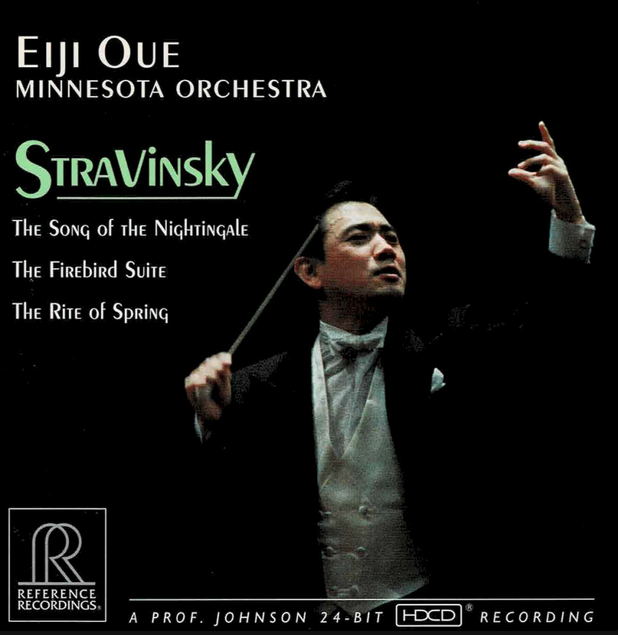
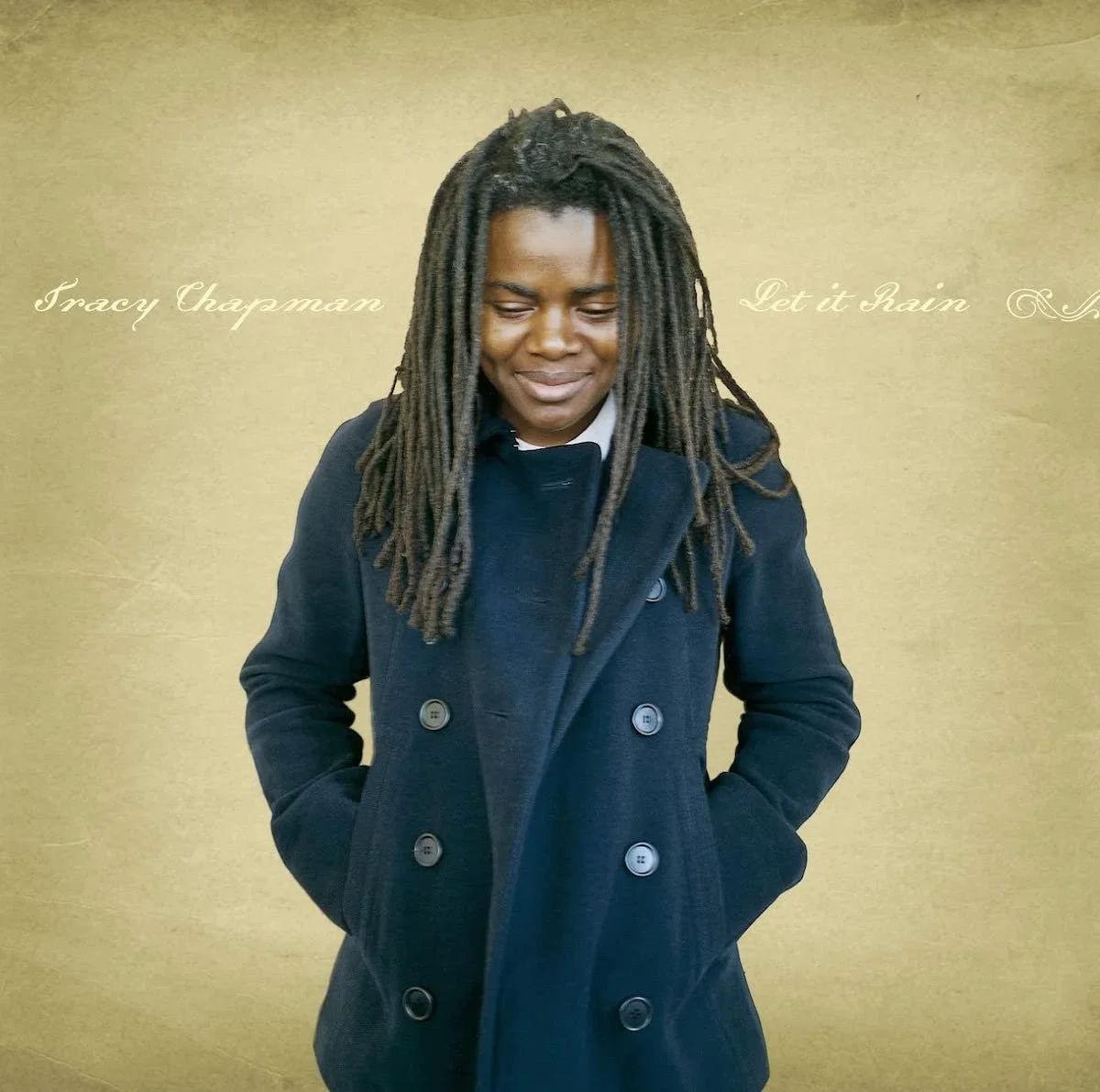

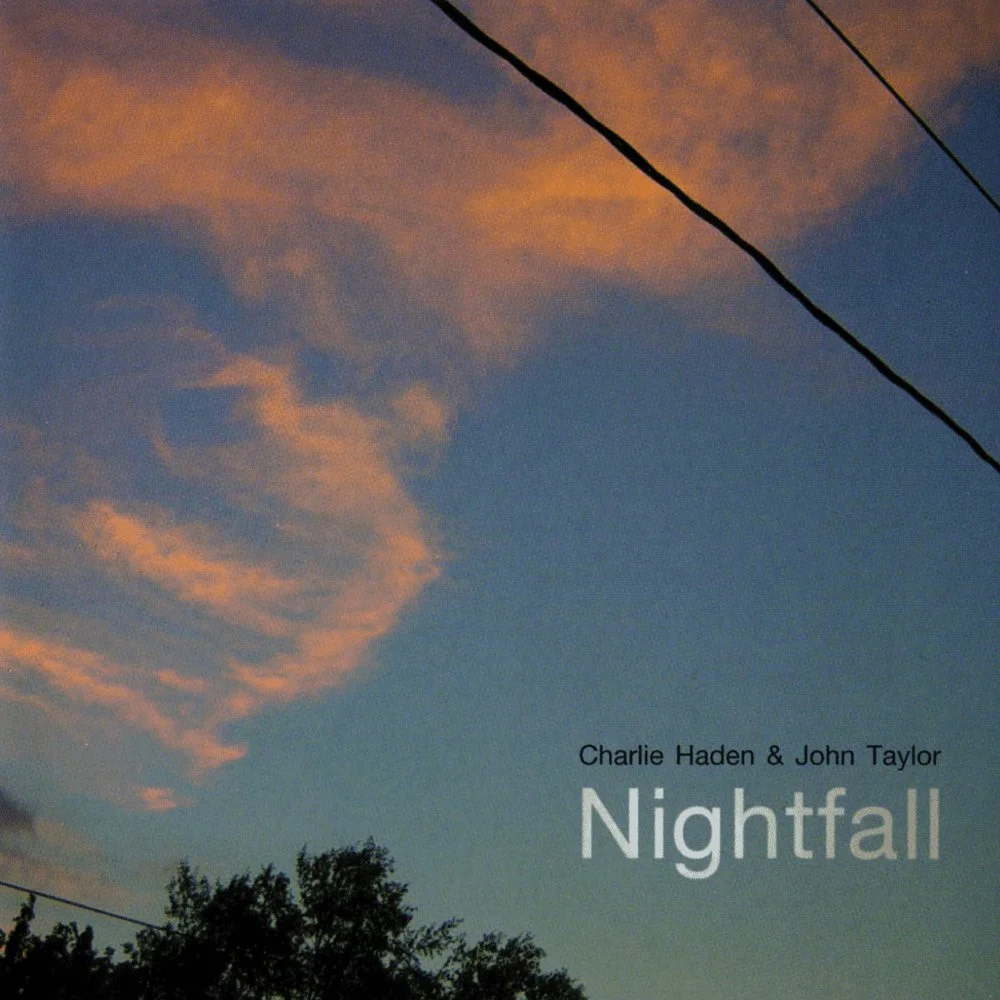
To begin to understand the ability of the Wagner Reference cables with regard to translating bass is, perhaps, to start with word association. Gravitas. Weight. Force. Propulsiveness. Differentiation.
With the Wagner Reference cables in system bass was more available, in every respect. It was more substantive, more taunt, more transparent, more resolving. It’s as if the Wager Reference cables lifted all prior limitations—translation woes—of my reference cables, which had been, in fact, limiting the system’s bass to the music’s detriment. I had thought about repositioning the speakers to improve their bass response. However, this was not necessary via the bass-translating abilities of the Wager Reference cables. Amazing!
The Wagner Reference cables differentiate bass via their translation of tonal and timbral shadings and colors, which speaks to, well, a more natural bass response and not, figuratively, a one or two-note bass response. The effect results in bass which is evermore nuanced, refined in its ability to easily project the upright bass, bass guitar, tympani, drums, etc. into one’s listening room in a more believable, more dimensional way. And those ‘ephemeral’ images which had been buried deep within the sound-stage were brought to relevance, to life by a better translation of bass frequency, which had the effect of deepening the sound-stage.
MidrangE


Imagine sitting in a small cafe, listening to a rather exceptional guitarist, and you are close enough to hear her fingers traveling along strings, the fretboard, and the body of the guitar. And when her voice comes, the lyrics emerge with breath, air, presence, and one’s heart is engaged. This would, of course, be the epitome of a natural performance and without the need for a translator.
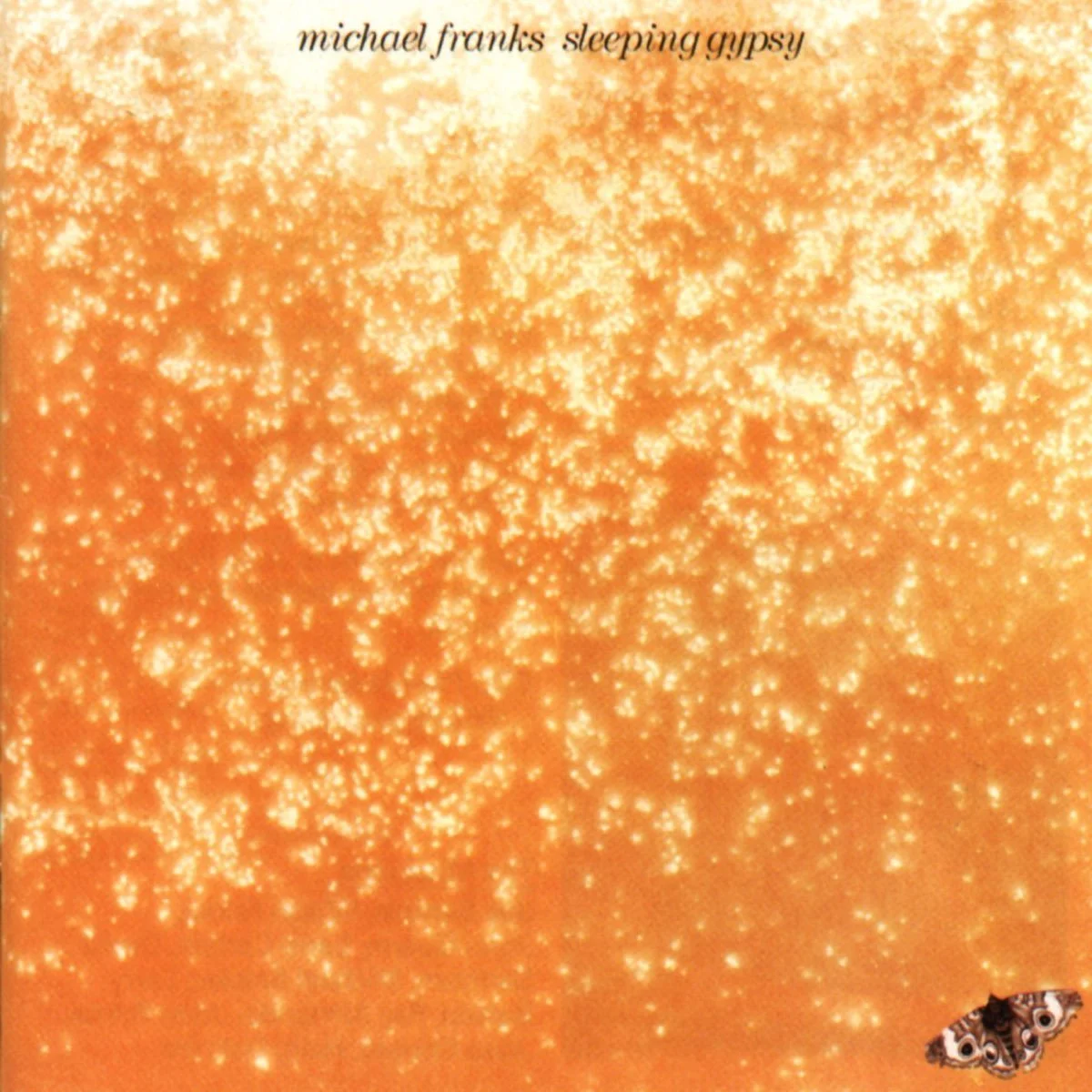
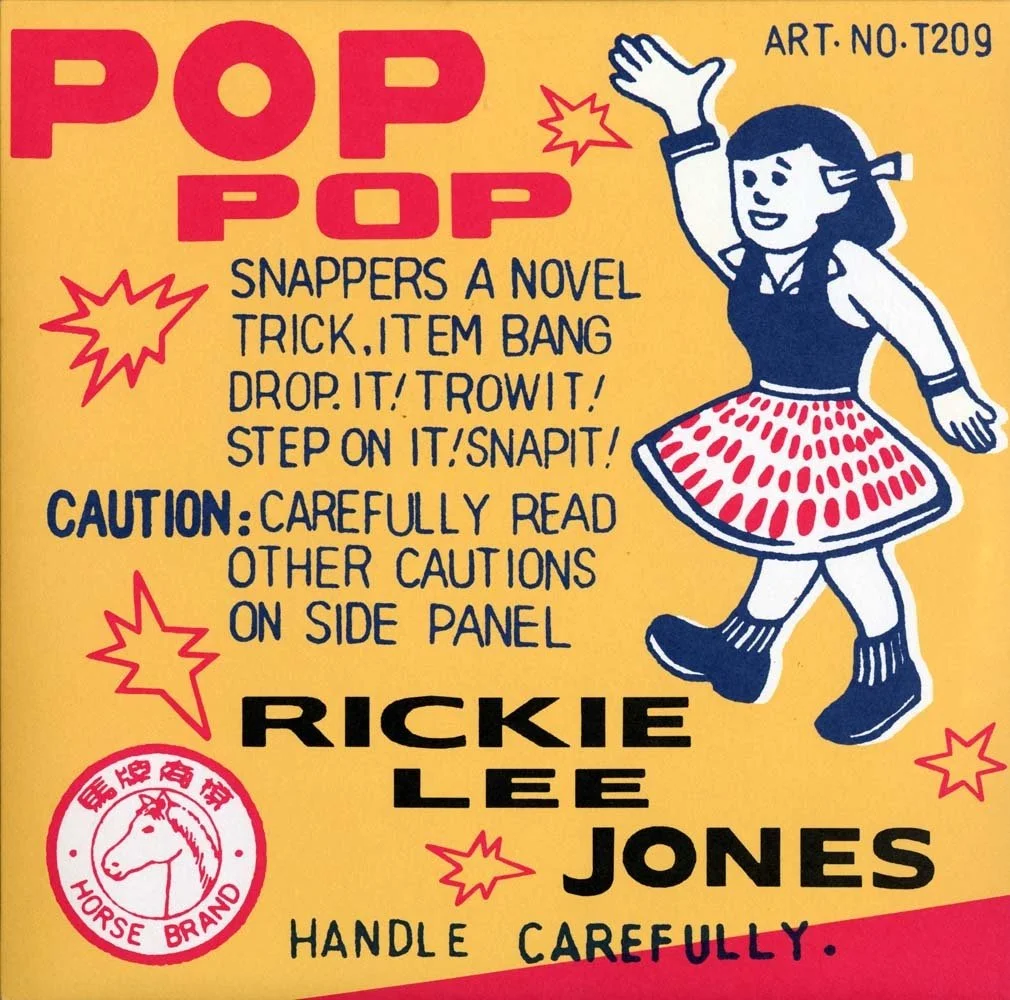
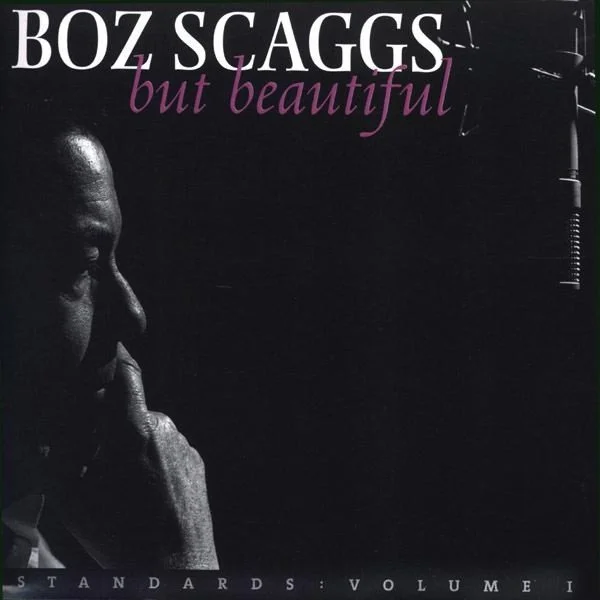
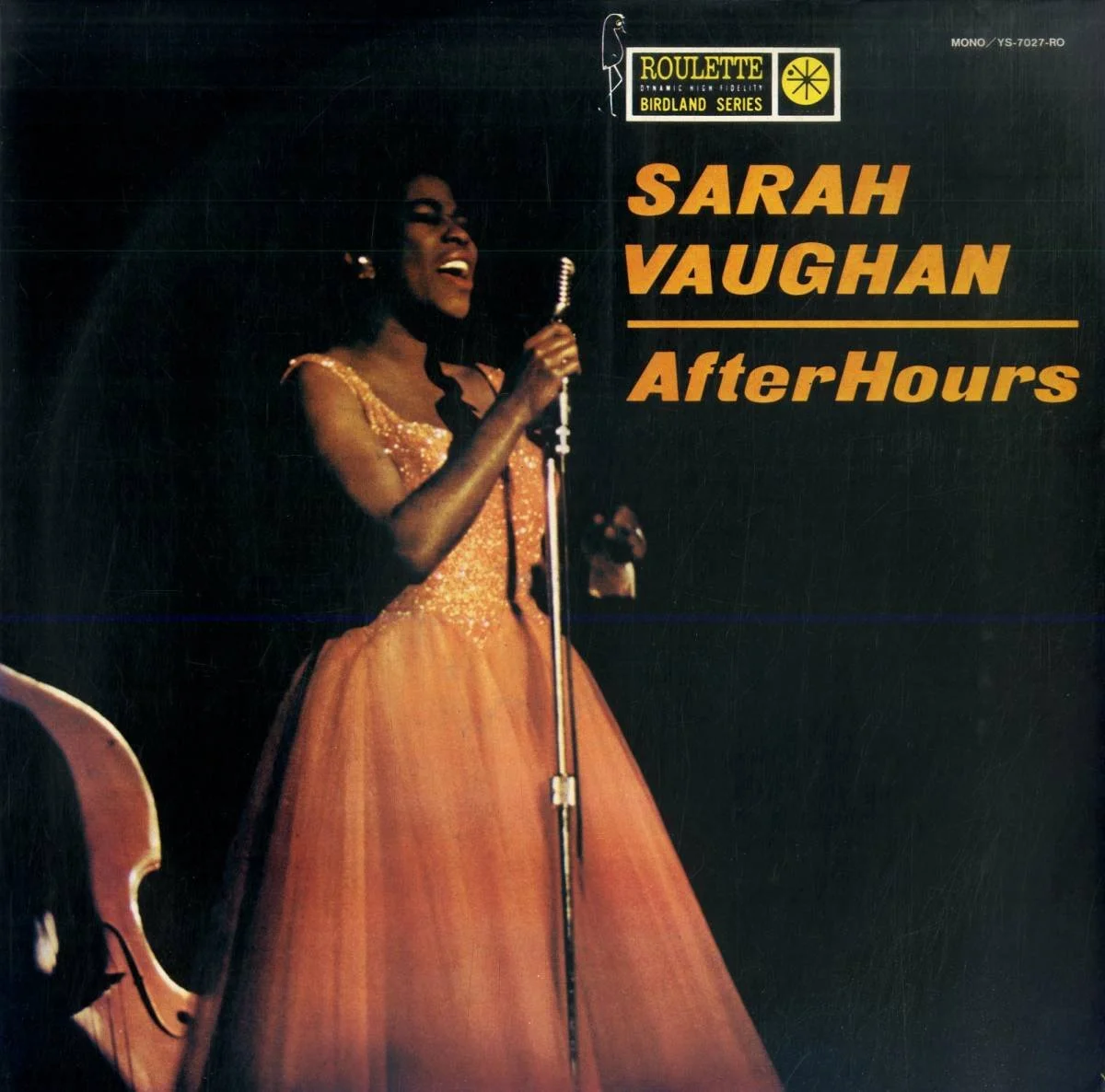
In the course of the Wagner Reference cable review I have listened to and re-listened to countless singers ranging from Sarah Vaughn to Rickie Lee Jones to Tracey Chapman to Boz Scaggs to Michael Franks to Stevie Wonder to Sade. The Wagner Reference cables’ translation place performers and voices in space with presence, in-room physicality, and a dimensionality, which is breathtaking. There also came greater insight into the music in the form of previously unheard or unnoticed detail—lyrics, spatial cues, micro-detail, etc.—and greater refinement which were now part of the performance. In this—the translation of voices—the Wagner Reference cables have had no peer, regardless of price. Bravo!
Treble+
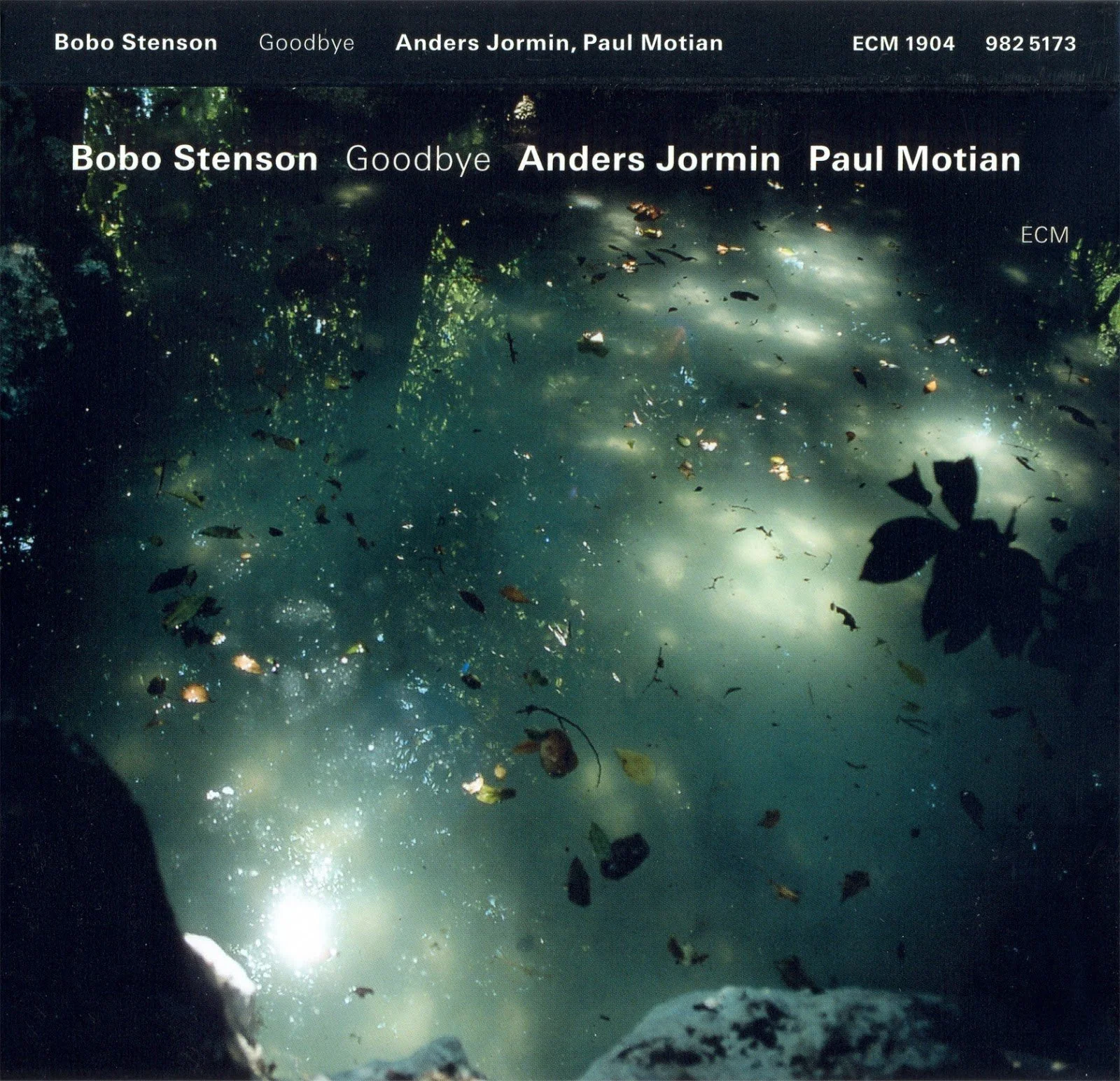
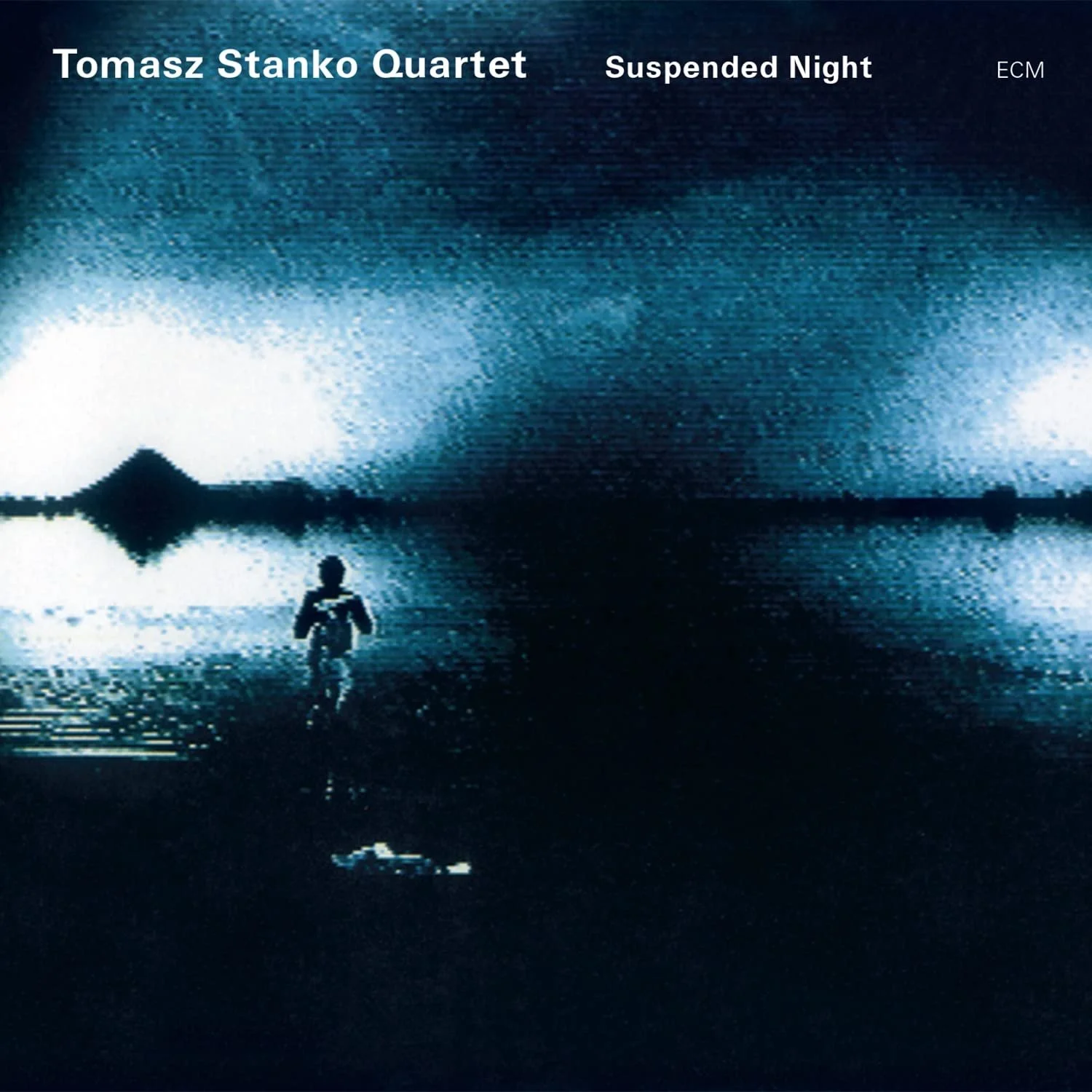

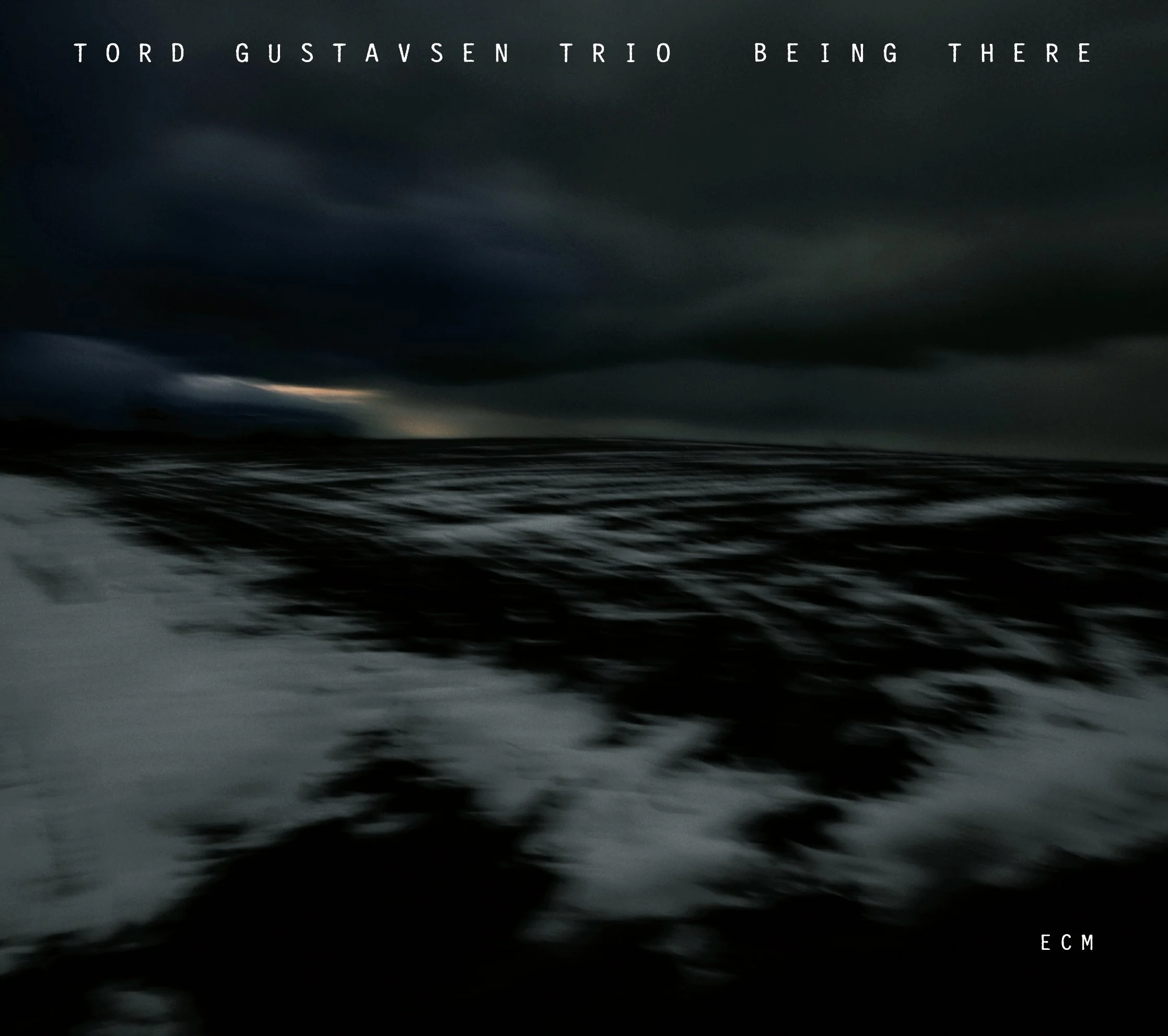
The Wagner Reference cables translate treble information with all the resolve, the transparency, the detail, the nuance, which my digital reference sources are able to communicate. The result was more air, atmosphere, and space, far above my current reference cables, which have all been very good. The Wager Reference cables also translate the quiet, the space in-between, the ‘blackness’ in ways the prior reference cables simply could not match. This coupled with their translation of nuance, refinement, articulation of the ‘delicate’, the micro-details, left the other cables wanting in comparison, and less natural.
The ultimate treble tests for me are a suite of ECM titles—Bobo Stenson’s Goodbye, Tomasz Stanko’s Suspended Nights, Tord Gustavsen’s Seeing, Changing Places, The Other Side—which I use to ascertain treble+ resolution. These ECM titles are excellently recorded and can be a torture test for digital front ends unable to properly communicate treble+ information. In this my digital front-end has proven itself tantamount in many respects though not all to the Grimm Audio MU2. However, if one’s digital front end is not up to task, the treble+ segments—cymbals, crash cymbals, their metal on metal interplay—will, in fact, sound like something ‘frying’ on a too-hot skillet or a sheet of paper being crushed into a ball. This has never been a problem for my digital front-end. How well this treble+ information was translated by the Wagner Reference cables was the intent.
The Wagner Reference cables translate more treble+ detail across these various albums and, in particular, Goodbye, which has an abundance of treble+ information, better than the other reference cables and they did this effortlessly! There was no back and forth needed to understand this, it was immediately apparent. The Wagner Reference cables did this with musical and technical acumen, and a wealth of spatial cues, which together communicated, again, naturalness. Yes, naturalness appears quite often across my notes and there’s a reason for this. Superb!
The Design—Look and Feel
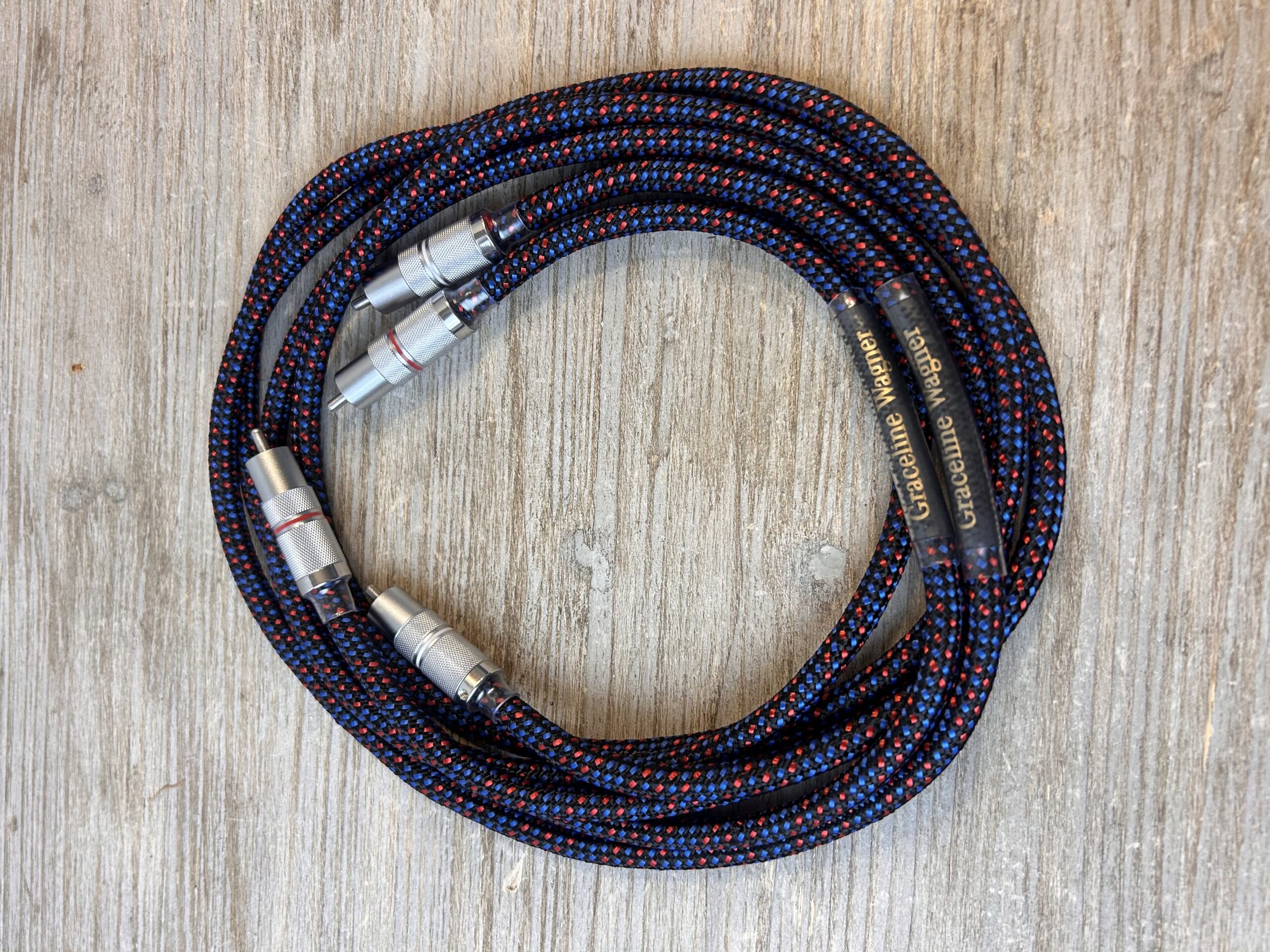
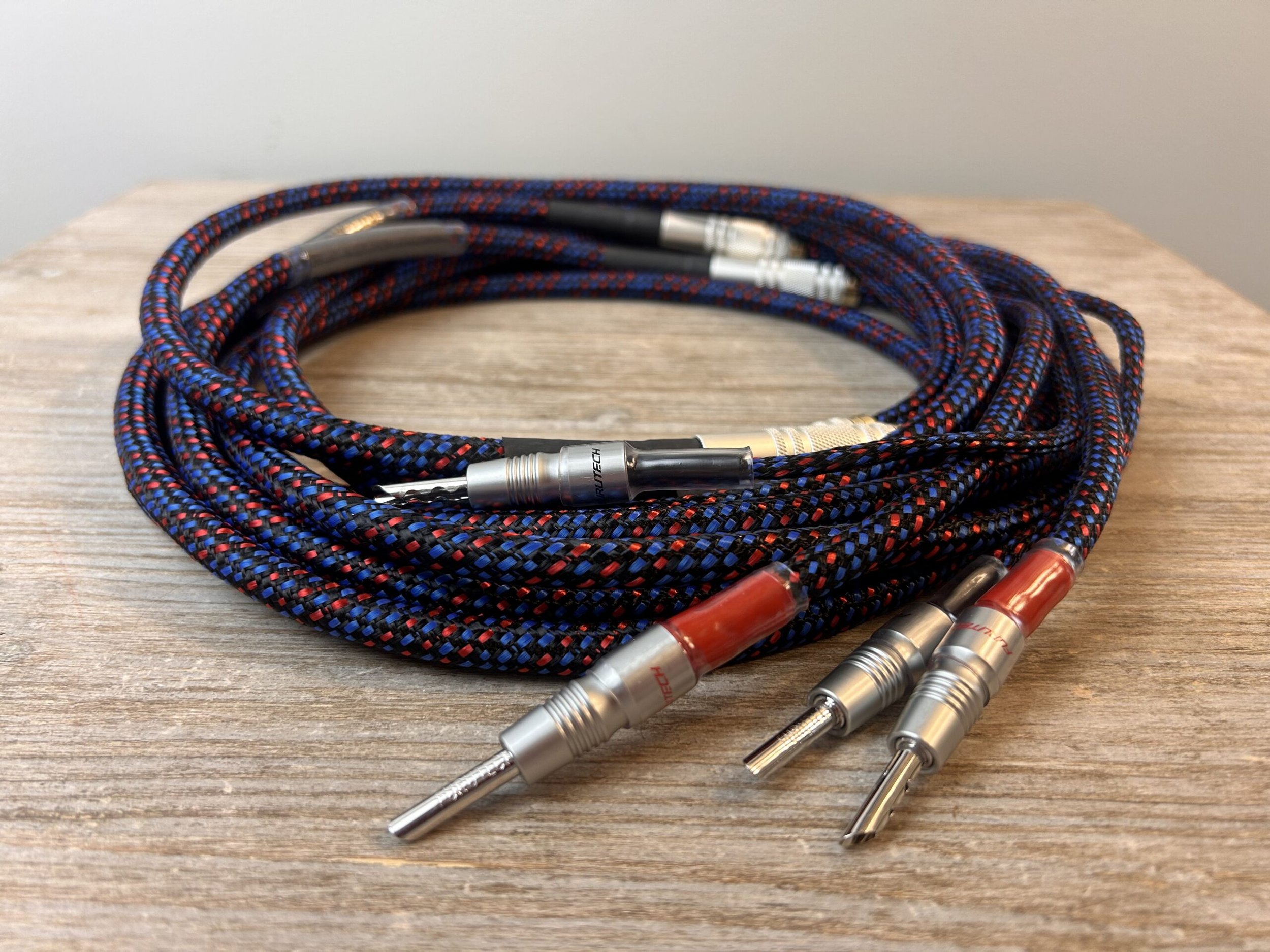
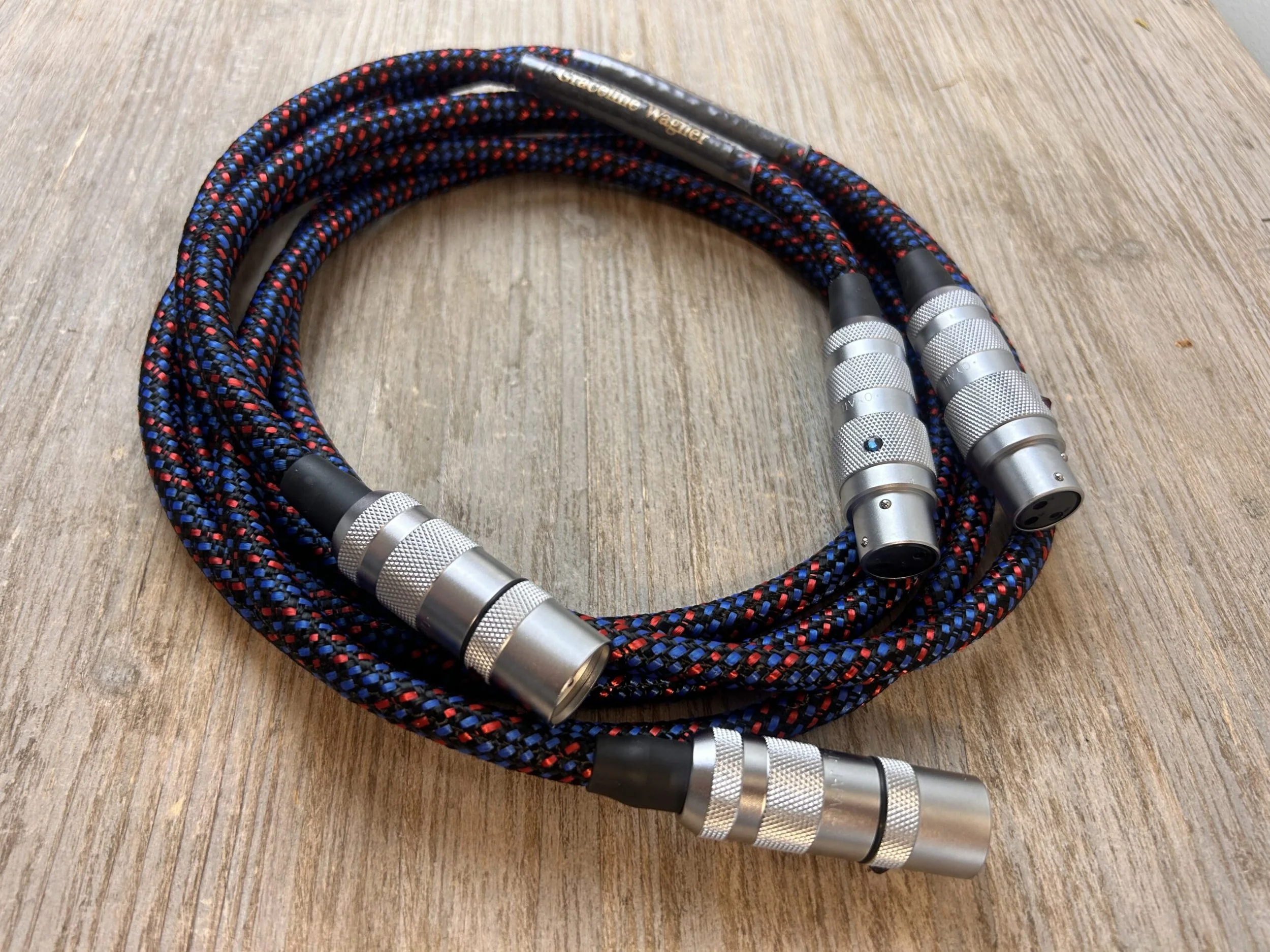
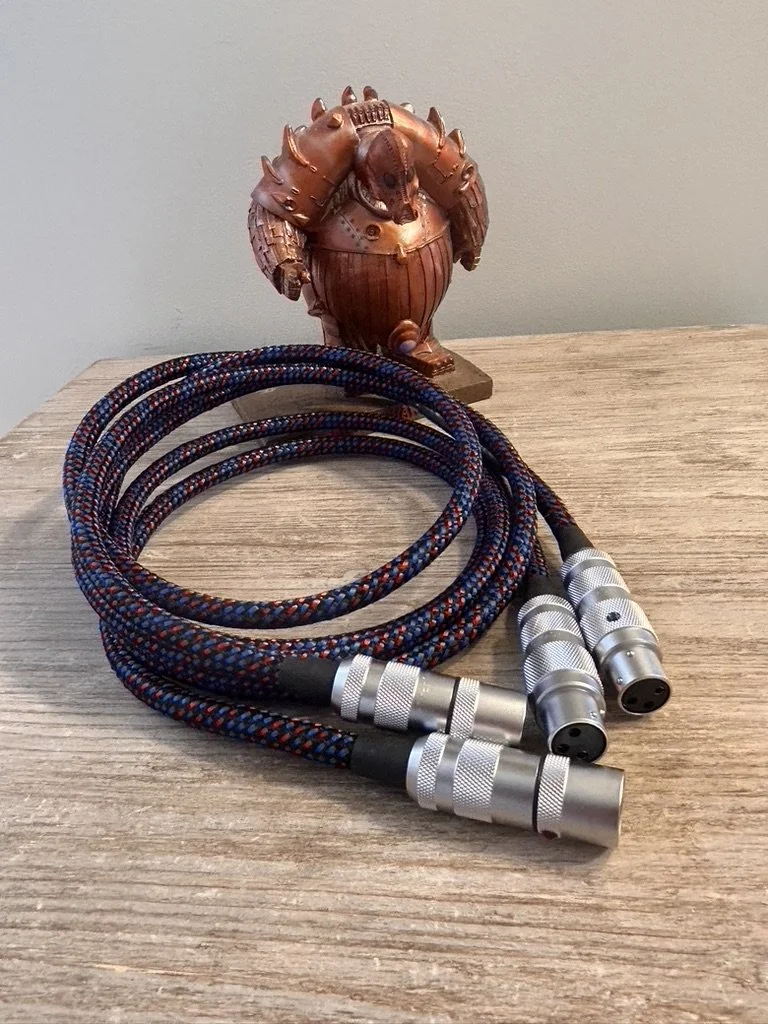
The BlackCat Wagner Reference cables are fine, thin in terms of diameter/width and weight in comparison to the typical ‘garden-hose-sized’ reference cables, which tend to be both gargantuan and weighty. Nonetheless, in their more refined appearance they lose absolutely nothing and gain much with regard to their potency, their technical acumen, and their musicality.
Their fabric sheaths are composed of a multi-color blue and red weave, which lend to their aesthetic appeal, their subtle beauty. And they tend to clean up the overall inter-connections of one’s stereo system in a nice and tidy manner.
As per Mayu’s description of the Wagner Reference cables’ construction, she provides the following:
“The structure of the Wagner Reference cable combines a tri-axial arrangement of open-braided, matrixed wire-tubes separated by layers of insulation, in a termination arrangement that keeps capacitance fundamentally low and velocity reasonably high (due to the air content of our unique AERON insulator). The Wagner Reference cable is also all copper, where Mezame, the Graceline Level-3, cable has some silver.”
The Wagner Reference cable’s modus operandi is to achieve natural tone “without losing resolution to bring the vortex of sounds from low to high as thick as Wagner could bring”.
Conclusion
The Graceline Wagner Reference cables as translators of information—digital and analog—are the best I have yet heard. The key is their outstanding ability to translate every aspect of musical, technical, and spatial information from component to component to one’s ears, to the sole benefit of the music. They provide a superb translation of musical information beyond the ability of my other reference cables, which, in comparison, are not nearly as convincing or dimensional or as natural. The Wagner Reference cables simply allow the music to flow as it was intended.
The Graceline Wagner References are an epiphany akin to the epiphanies I experienced with the Grimm Audio MU2 streamer, the Audiomat Opera Integrated, the STAX SR-X9000 electrostatic headphones, the HiFiMan Susvara (original) planar magnetic headphones, and the Accustic Arts Player II CD Player. Once you’ve heard them, it’s very difficult to consider another as their match.
The Graceline Wagner Reference cable loom is extraordinary and shows itself on a level above other reference cables, which I have had the pleasure of owning, reviewing, and hearing these past years. They receive, easily so, our Diamond Award and our Breakthrough Award for innovative excellence. I do believe they are the first cable to do so. Bravo!
Pros: Their ability to easily interpret, translate all the musical, technical, and spatial information of one’s music like no other cable I have yet heard.
Cons: They are not inexpensive.
The Company
BlackCat Cables
GraceLine Wagner Reference RCA/XLR Interconnects (1.5m, 2.0m): $4,995, $5,995
GraceLine Wagner Reference Speaker Cable (1.5m, 2.0m): $5,295, $6,295
P.O. Box 2653
Cumming,
GA 30028
mayu@blackcatcable.com
sales@blackcatcable.com