ALLNIC D-15000 OTL/OCL SIGNATURE DAC - REVIEW
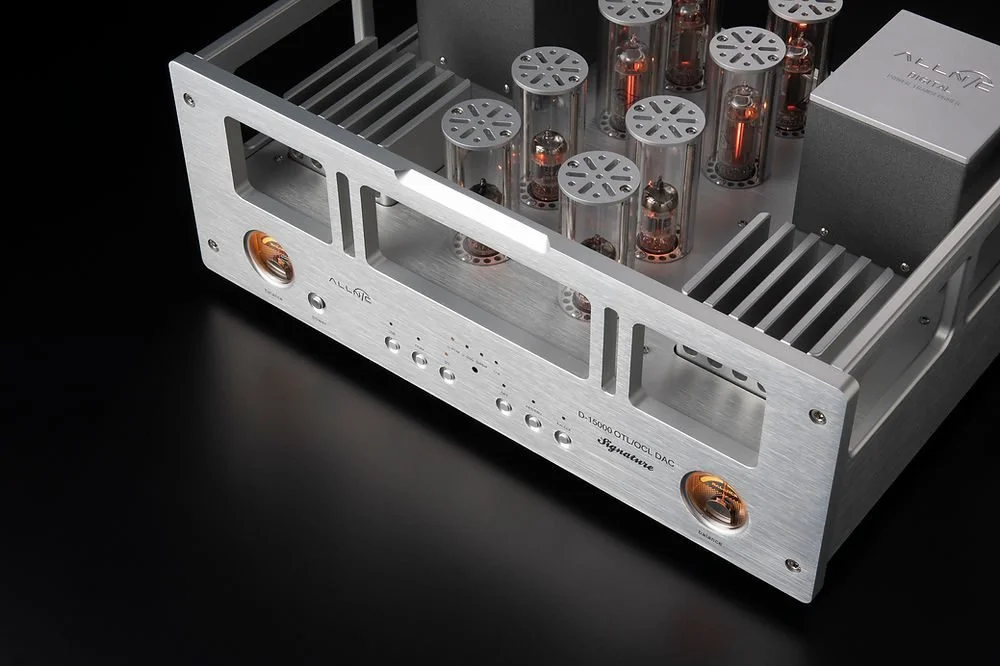
Allnic D-15000 OTL/OCL Signature DAC
In our experience, Korean artisanal audio manufacture Allnic has taken tube components to their extreme maximum. Having reviewed their flagship mono power amplifiers, preamplifier, and phono stage, we can safely say, they leave no stone unturned. Sonically pure, with build and parts quality competitors would envy, they are priced at a premium just as exotic automobiles are.
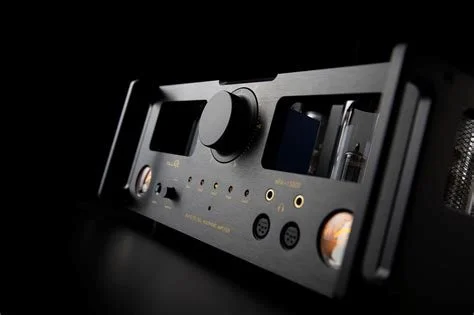
Prior to this review, we had not heard Allnic’s digital source components, but that changed when the new D-1500 OTL/OCL Signature Digital to Audio converter arrived from the factory in South Korea. Visually, the D-15000 is both minimalist and monumental. The industrial design exudes weight and elegance, and refined control. Dual bias meters with amber lights add a touch of vintage instrumentation to the otherwise sleek presentation. This is a DAC that looks stout enough be from a bygone era yet modern enough to fit into any current system.
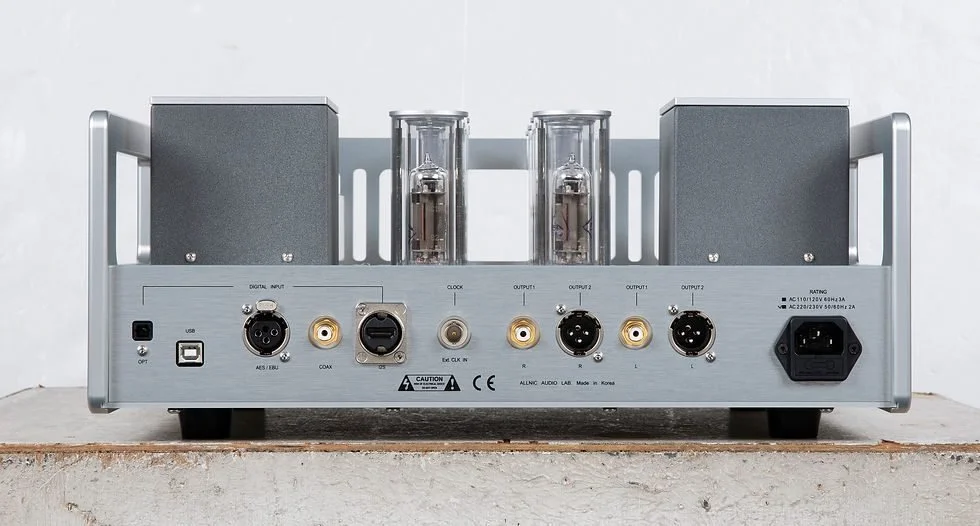
Internally, Allnic’s collaboration with fellow Korean company ABSTECH, a digital design specialist, is a masterstroke. Using dual mono ES9039PRO DAC chips and a clocking system with OCXO stability in the parts per billion range, the digital brain matches the analog heart note for note. Inputs include everything you’d expect of a modern flagship: USB, S/PDIF, I 2 S over HDMI, and even a PL -synchronized external clock input to eliminate jitter from non synced sources. This is true next generation engineering without gimmickry. Most interestingly, there’s no upsampling, filtering, or DSP flavoring. Allnic clearly designed this until with their own philosophy of ‘purity” in mind.
A deep dive into the Allnic D-15000 shows at its heart lies Allnic’s dual design philosophy: a OTL/OCL output stage for uncolored, direct tube sound, and it’s ubiquitous Permalloy transformers. There is a pair of ESS’s flagship ES9039PRO DACs, configured in a fully balanced dual mono setup with HyperStream IV architecture, for resolution, low distortion, and channel separation.
Pulling no punches, the Independent power transformers for digital and analog stages further ensure an ultra low noise floor and natural dynamics, while galvanic isolation preserves signal integrity, enabling a silent backdrop. From DSD to Red Book, the D-15000 renders every format. Finally the tube complement includes two ECF80’s, two 12AU7’s, and four 6C19P’s. There are both RCA and balanced XLR outputs.
Set Up & Listening
We placed the 37 Lb D-15000 into a system consisting of Rogue Audio RP-7, a Sim Audio 888 power amplifier, a Sonore UltraRendu streamer, and Magnepan 2.7i “X” speakers. Cabling was Clarus all around, aside from a Intona USB cable. We used the USB input exclusively. Our digital library runs on Roon architecture. We ran the system fully balanced.
We let the DAC settle in for several weeks before any real critical listening, and that paid off. From the first notes thereafter, the Allnic D-15000 OTL/OCL Signature DAC doesn’t just play music, it disappears. What you’re left with is a startlingly lifelike, visceral, present experience that feels less like listening and more like time travel, as if you’ve been dropped, unseen, into the recording space.
The D-15000 doesn’t merely convert digits to sound for our ears, it transmits intention, space, and presence. With no oversampling, no filtering, and an output stage free of transformers or capacitors, it offers a purity that is, quite frankly, addicting. Holographic is an understatement. This DAC paints a three dimensional sound field with the kind of placement and accuracy usually reserved for live acoustic concerts in pristine halls.
Instruments don’t just appear; they have mass. Recordings are not simply forward or laid back, they are embodied, and breathing, .On well recorded material, the D-15000 renders everything in life size scale, the rim of a snare drum snaps with the right tension and height, a cello vibrates with wood and bow texture, and vocals emerge from the mix with an emotional clarity that audiophiles crave.
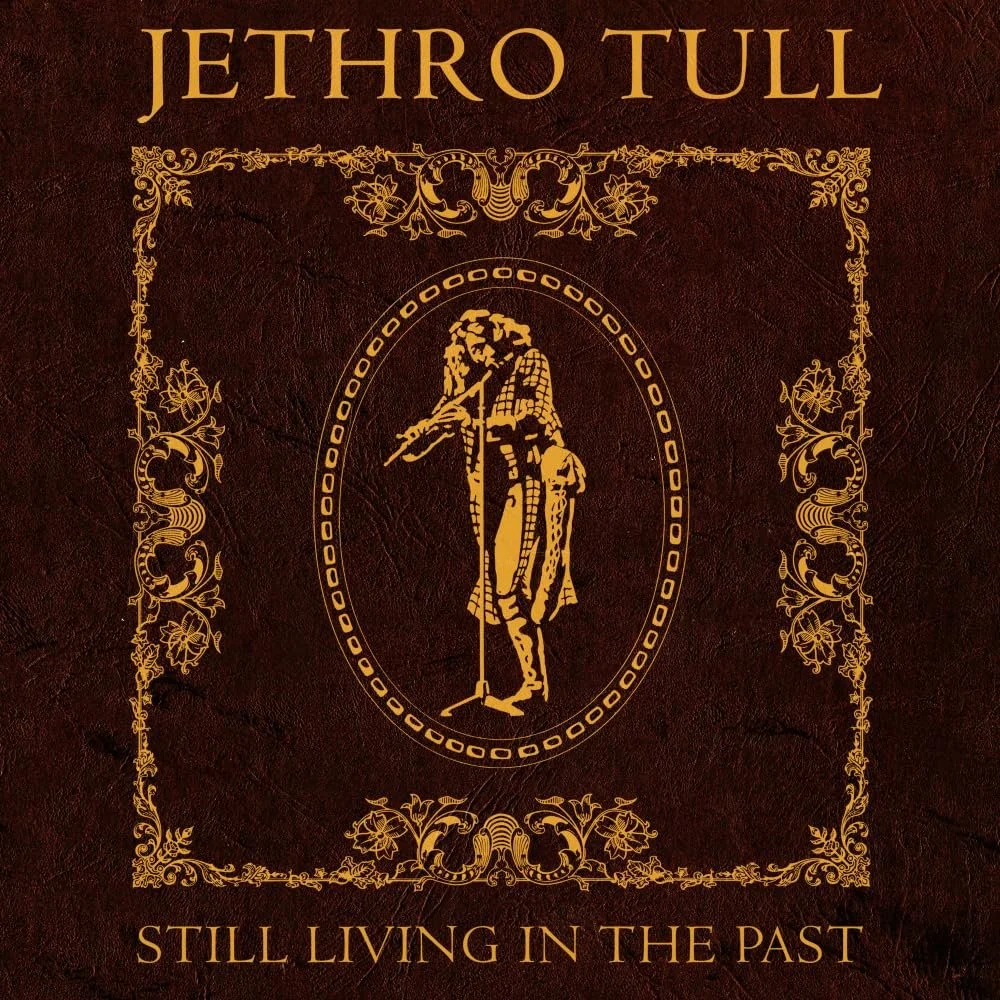
A brand new release we relished was Jethro tull’s Still Living In The Past, an update of their classic double LP compilation from 1972. The album featured numerous non album tracks and stand alone singles. The new version features both the original 1971 mixes and updated 2025 mixes, along with prime live material, all in 96 kHz resolution.
With the flute in the title track, “Living In The Past”, the Allnic D-15000 paints a palpable image with startling realism. Ian Anderson’s breathy phrasing and the quicksilver agility of his reed are rendered with uncanny presence. Percussion textures, particularly the tambourines and subtle jazz inflected drums, feel tactile and dimensional. The DAC’s OTL/OCL design is said to eliminate any grain, and the proof was in the listening.
Guitars have a woody resonance, and the often overlooked harmonic overtones of the bass guitar emerge clearly, locking into a lush rhythmic pocket. Tracks like “Sweet Dream” and “Bouree” benefit especially from the Allnic’s ability to handle the complex layering:of strings, and brass. Rhythmic undercurrents remain distinct, with no smearing or digital edginess. There’s warmth, yes, but never softness, the D-15000 maintains dynamic integrity without sacrificing tonal richness.

A rip of the Mobile Fidelity SACD of The Beach Boys Pet Sounds reveals the genius of Brian Wilson with a transparency and emotional immediacy that borders on otherworldly. Through the Allnic, “Wouldn’t It Be Nice” opens not as a pop song, but as a mini symphony: the harpsichord, sleigh bells, and timpani bloom in a soundstage that’s vast yet intricately detailed. The D-15000 uncovers inner harmonies and textures previously buried in lesser DACs and middling SACD players. Each vocal line in the rich harmonies retains its individual timbre, allowing the full majesty of the Beach Boys’ choral layering to shine.
The warmth of the tube stage doesn’t thicken the mix but instead lifts the emotional content of the performances. “God Only Knows” feels amazingly fragile; Carl Wilson’s vocal is suspended in air, surrounded by soft brass and those iconic sleigh bells. The Allnic’s dual-mono design and incredibly low noise floor allow microdynamics to bloom, while tiny fluctuations in vocal phrasing, breath, and instrumental decay become part of the story. Bass is articulate and full bodied the sound feels wholly natural, lush without excess, deep without bloat.
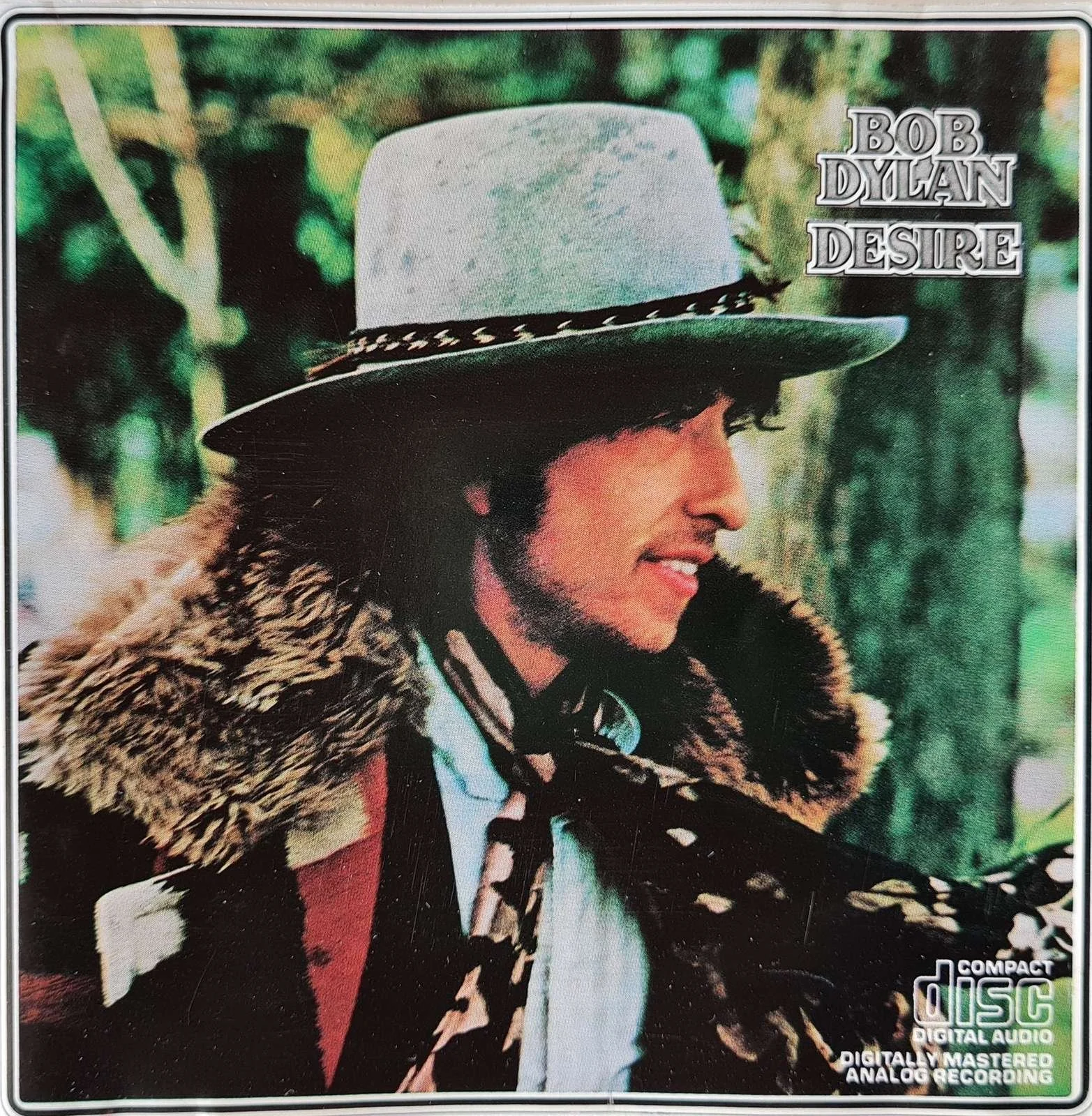
A rip of the Mobile Fidelity SACD of Bob Dylan masterpiece Desire unfolds as a deeply textured, earthy experience, raw, immediate, and richly dimensional. With the Allnic D-15000 in the chain, the violin of Scarlet Rivera on “Hurricane” takes on new life, fiery, abrasive, and slightly surreal. It doesn’t just sit in the mix, it slashes through it, dancing with Dylan’s jagged vocal delivery in a thrilling stereo interplay.
Dylan’s voice, recorded with gritty analog character, is rendered with all its nuance, the rasp, the drawl, the subtle shifts in inflection. You hear not only what he sings but how he means it. On “One More Cup of Coffee,” the separation between the vocal and the haunting Eastern influenced violin lines is crisp but not surgical; the Allnic preserves the emotional glue holding the performance together.

One of the last recordings we streamed from our library was the neo-classical piece, Symphonina No.3 (Four Days In The Life Of The Princess) composed by David Fogel, and performed by the International Symphony Orchestra. The music is richly layered, with Baroque flourishes, and dramatic undercurrents. The D-15000 rendered the strings and woodwinds with superb texture, and to our ears, with orchestral music, texture is paramount. The percussion had a realistic dynamic impact, and the artistry of the individual players came through.
The Allnic D-15000 Signature DAC isn’t just a piece of high end gear, it’s revelatory. Across numerous diverse albums, its transparent, harmonically rich, and vividly dimensional presentation turns recordings into performances. You don’t listen through it; you listen into it. This is digital playback that transcends specs and steps into art.
This DAC does detail, but not the kind that cuts your ears with hyper revealed treble. Rather, it uncovers hidden nuances like the shift of a pianist’s weight on a bench, the exhale before a trumpet blast, the way reverb curls off into silence. There’s inner resolution and dynamic shading contrasts that give performances breath and shape
And then there's the drive. When the music calls for propulsion, whether in Mahler’s crescendos or Aphex Twin’s glitchiest mayhem, the Allnic responds without hesitation. It never sounds strained, compressed, or like it’s holding back. It moves. Of course, the analog output stage of the D-15000 is a big part of the magic, not just the digital decoding. This is often a forgotten piece of the puzzle.
If you are under the impression a tube DAC will smooth overly compressed or poorly mastered material, this is not the case with the Allnic. System synergy matters too, your upstream gear, along with great cables, including digital cables, are essential. This DAC is no band aid. It will not flatter bad recordings. The D-15000 is a “set it and forget” piece of gear. I am a big believer in the lack of the ability to “tune” the sound in most cases is a far better scenario. For those who wish to tinker, there are plenty of DAC’s on the market with numerous menu scrolls, filter choices, and DSP.
Living with the D-15000 has made me rethink my digital library. It invites a new kind of listening, deep, intentional, seated listening. You’ll want to explore your favorite albums again, The Allnic D-15000 OTL/OCL Signature DAC is for the committed listener. It’s not designed to impress with flash. It won’t hide flaws. It won’t make bad recordings palatable. What it will do is redefine what digital can sound like, natural, muscular, intimate, and full of soul.
Great things are not easily attainable. $24,000 for a DAC is a significant sum, but In a world where digital audio often sounds like it’s trying too hard to be something it’s not, the D-15000 stands out by getting out of the way. It’s the rare kind of component that doesn’t draw attention to itself, but rather to the music.
Conclusion
Living with the D-15000 has made me rethink my digital library. It invites a new kind of listening, deep, intentional, seated listening. You’ll want to explore your favorite albums again, The Allnic D-15000 OTL/OCL Signature DAC is for the committed listener. It’s not designed to impress with flash. It won’t hide flaws. It won’t make bad recordings palatable. What it will do is redefine what digital can sound like, natural, muscular, intimate, and full of soul.
Great things are not easily attainable. $24,000 for a DAC is a significant sum, but In a world where digital audio often sounds like it’s trying too hard to be something it’s not, the D-15000 stands out by getting out of the way. It’s the rare kind of component that doesn’t draw attention to itself, but rather to the music.