SILVERSMITH FIDELIUM SPEAKER CABLE - REVIEW
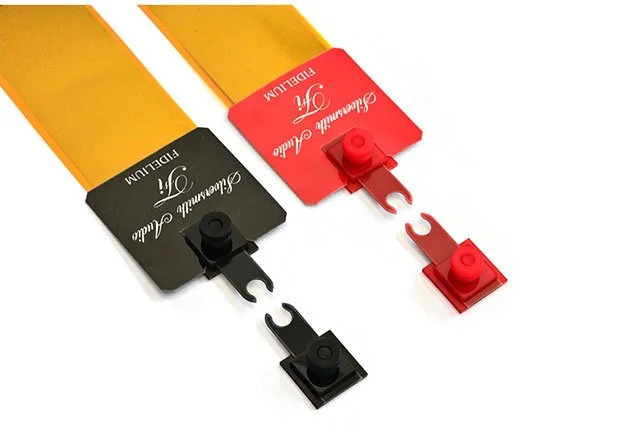
Silversmith Fidelium Speaker Cable
Silversmith Audio Group, based out of the great state of Wyoming, is slightly different from your average high-end audio manufacturer. They essentially have just two products: the very unique Fidelium speaker cables, and a high-end Digital-to-Analog Converter marketed under Dodson Audio.
The lead designer and proprietor, Jeff Smith, has numerous science degrees related to defense technology and served in the US armed forces for 28 years. Smith also spent extensive time studying sound transmission of acoustics in oceanic environments. To say the least, that is quite a unique background.
According to Jeff Smith, Silversmith Audio started out as something of a personal pursuit, but quickly grew into a well-respected company that is now going on two-plus decades. We had known several Silversmith cable owners who had sworn by Smith’s designs but had never had them in our own system. That changed when we received a set of the Silversmith Fidelium ribbon speaker cables. While we were unboxing them, it was readily apparent that these were quite different from any other speaker cables, or any other kind of cables, that we’d encountered before.
What was also immediately noticeable was that this was a seamless single run of ribbon, with no soldered, crimped, or welded connectors at all. The method of connection is “U-Notch,” cut into the end of each cable. Each run of cable is 2.25” wide and one-hundredth of an inch thick. The U-Notch can accommodate most binding posts, depending on the layout and spacing of the posts. Take note: there are actually four runs of cable. The left and right runs are stereo pairs. The Fidelium speaker cables start at $995 for 6-foot lengths.
The cables themselves are made from Silversmith’s proprietary alloy. According to Silversmith’s documentation, ”Fidelium reflects our design philosophy in its purest form: A single, ultra-thin ribbon conductor per polarity; seamless from end to end and without traditional sound-degrading soldered, welded, or crimped connectors; and individually laminated in an extremely thin, yet rugged, polyimide film to achieve a geometry with a primarily air dielectric.”
According to Jeff Smith, the Fidelium speaker cable performs as if it were 5.5 times thinner, experiencing less frequency-dependent variation and phase distortion He also claims that the skin effect characteristics of the Fidelium alloy are vastly superior, in the range of up to 33 times, to those of copper or silver. As duly noted, the design also benefits sonically from not having to utilize conventional spade and banana connections, which can significantly reduce sound.
Set-up and listening
We used the Fidelium cables between an Audio Research VS55 tube amplifier and Scansonic monitors. We carefully installed each run of cable so they had no contact with each other, and attached the U-Notch to each binding post, both on the amp and speaker, with careful routing for neatness. The rest of the system consisted of a Sonore microRendu streamer connected to a Roon-based server, a Marantz HD-DAC1, and a Channel Islands Audio PLC-1 passive preamp.

We decided to stream from our local library many albums that we were intimately familiar with for reliable reference points. We started with The Distance To Here, by the great ‘90s band Live. The opening track, “The Dolphin's Cry,” is a high-energy alternative rock song with lots of dynamics and a build-up of tension and release. We were amazed how explosive the choruses were, and how much texture was in the chunky, layered electric guitars. Quite an impressive start.
Another track that had similar dynamic contrasts was “Where Fishes Go,” a heavy spiritual rocker that alternates between hypnotic verses and all-out ensemble power in the choruses. We were delighted to hear that the layering of the guitars and keyboards was more intricate than we had remembered. Individual elements were distinct, yet everything ultimately was rendered as a cohesive whole. Well done!

We went a bit vintage with one of our favorite albums, The World Is A Ghetto, War’s 1973 opus that yielded the classic single “The Cisco Kid.” The 50th Anniversary edition, with the original album remastered at 24 bits, 192 kHz, adds on a slew of outtakes and alternate versions. The title track with the Fidelium cables was a psychedelic funk opus, making it impossible not to be absorbed in the sound. The midrange and lower treble was as pure as we can ever recall hearing.
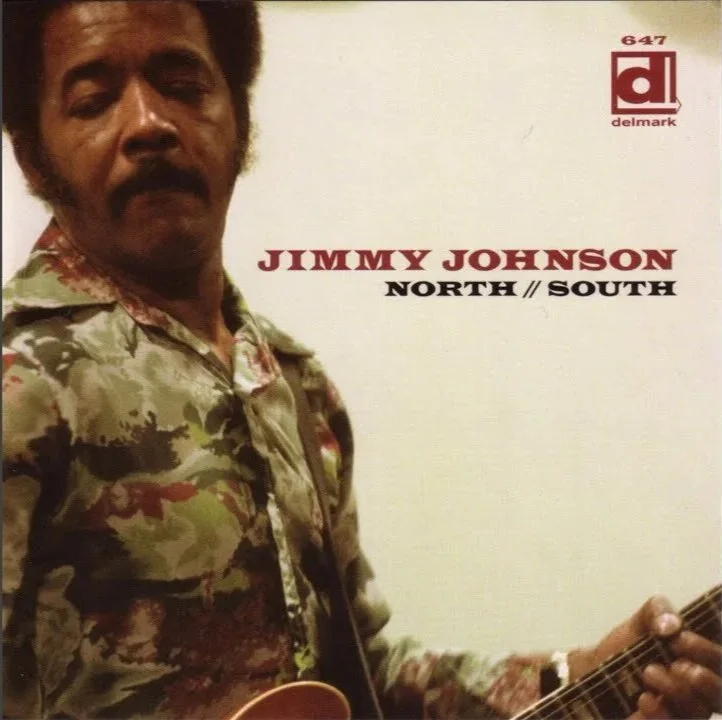
An album that has been in heavy rotation lately is Jimmy Johnson’s 1979 Chicago blues masterpiece North // South on the historic Delmark label. The album strikes the perfect balance of bluesy grit, urban funk, and even a bit of rock and roll. Johnson’s smooth, yearning vocals and blistering electric guitar were made to sound as fresh as the day they were recorded, with tracks like “Country Preacher” and “Talkin’ ‘bout Chicago” transporting us to the Windy City on a hot, humid summer day. The Fidelium seemed to extract that last bit of groove and provided the glue and cohesiveness for an excellent listening experience.

We were craving some soul-jazz, so we called up the Analogue Productions SACD reissue of Ben Webster’s The Soul of Ben Webster. The Fidelium did a masterful job of rendering the sound of the horns and the piano. There was great momentum, and the bass drums were perfectly spaced to allow the soloists room to stretch. The cleverly titled “Coal Train” was a joy to hear with the Fidelium, as Webster and company create a smooth groove, with wonderful dialogue between the horns, piano, and guitar.
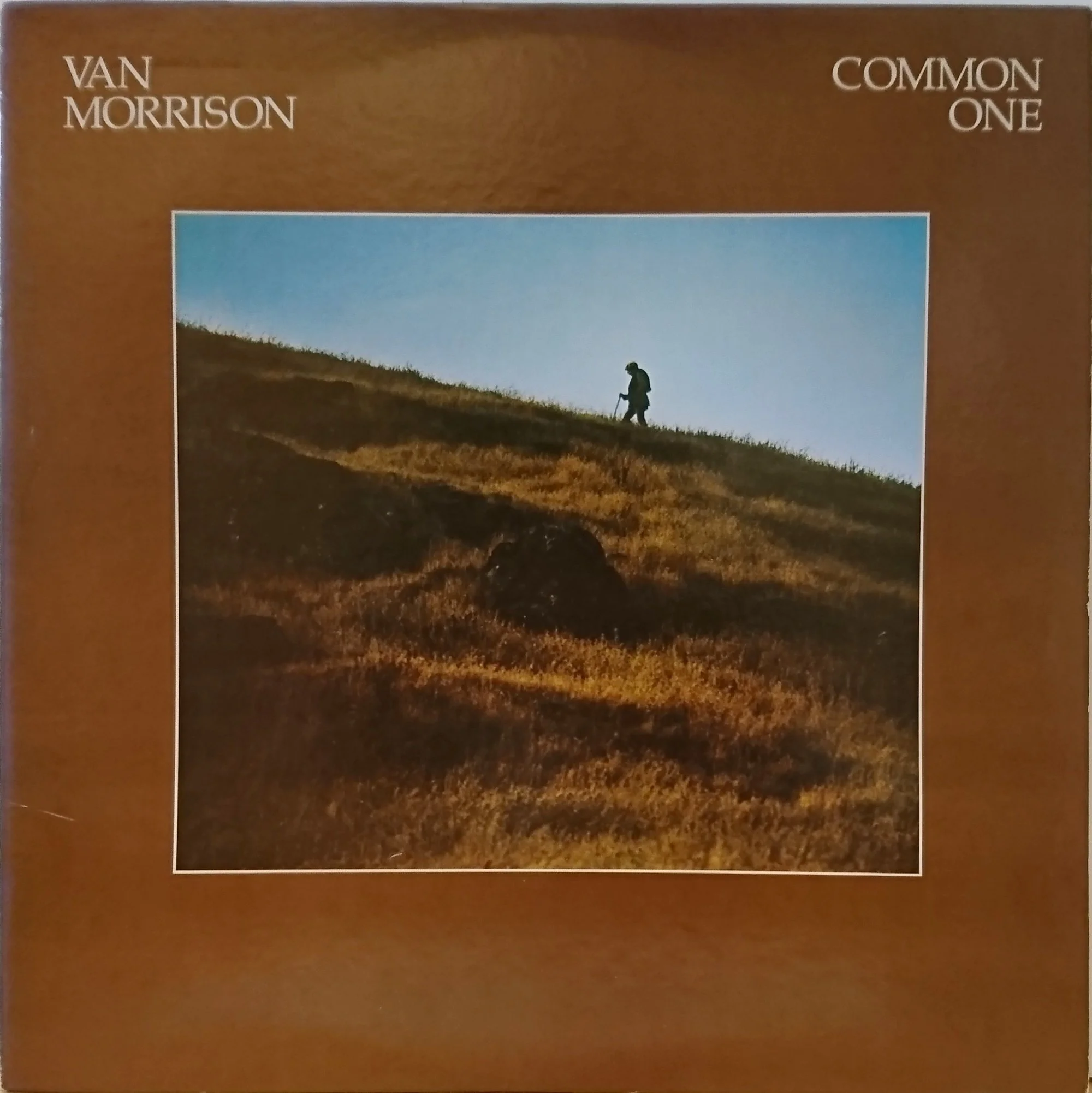
One of our last spins was Van Morrison’s Common One, his 1980 masterpiece. The album is filled with jazzy, spiritual, Celtic, and folk overtones, and has sadly been somewhat overlooked as it does not contain a major single. Nonetheless, this is Morrison at his artistic peak. There are two extended pieces on the album, and they flow by like a peaceful river in the Irish countryside. Mark Isham’s trumpet is gorgeously rendered with the Fidelium, as is Morrison’s voice. The vocals are filled with dynamics, with some lines sung at a near whisper-like delivery and others a joyous crescendo. The Fidelium cables brought out all the pastoral glory.
The Silversmith Fidelium cable really has only one consideration for prospective buyers, and that is whether the cable will fit ergonomically into a system. The U-Notch should definitely fit on most sets of speaker and amplifier binding posts, but if not, Silversmith offers solutions. They sell a binding post adaptor for a reasonable $50, as well as adapters for those who prefer bi-wiring for $195. The other thing to consider is that the Fidelium are essentially four cables, two runs per side, and are a bit more difficult to organize than a standard pair of speaker cables in the usual tubing. However, all it takes is a few minutes of creativity or a small investment in some cable risers, or even better, a DIY solution.
Conclusion
Silversmith has had an excellent reputation since Jeff Smith launched the company 24 years ago, and after hearing the Fidelium speaker cables, it was easy to see and hear why. The cables are musically rich, transparent, balanced tonally, and offer a coherence that is rather uncanny. At $995, the cables are a real bargain when the technology, sonics, and overall performance are taken into account.
Product information
Silversmith Audio Group
(619) 460-1129
https://silversmithaudio.com/fidelium-1/
Fidelium speaker cables: starting at $995 per pair.